
Uncategorized

Uncategorized

London Breaks: Theatre, Art and Culture in 2026

We travelled to London in early March for a trade show and took in a new theatrical experience at the New Canary Wharf theatre. This high-tech “Hunger Games” show for me was a step into the unknown and part of a new dystopian future. Named after the successful film version, the show has been on Broadway and opened at the new high-tech Canary Wharf theatre near the East London financial district. For more UK city break inspiration, read our guides to Paris spring breaks and Hamburg cultural weekends on the blog. Thames River Journey to Canary Wharf We went there on the new Thames river fast ferry service direct from Putney on the west side of the city close to Hammersmith, passing via Battersea, Westminster and Tower Bridge. The ferry costs are on the Oyster system and for around £11 sterling you get a great value photo tour of the Thames River in Central London. We enjoyed the show even if a little long, as it proved to be unique with stages moving and even some of the seating too. Many high-tech influences, great costumes, dance and music ensured great entertainment for this Sunday matinee performance off season. There was a varied audience of young and older folk, some scary bits too, and one felt like being at a modern version of a Roman amphitheatre as characters in the show battle it out to stay alive. There is a long interval. Useful Links Visit London: Visit London London Theatre Tickets: Official London Theatre Thames Clippers River Service: Uber Boat by Thames Clippers Brick Lane and Shoreditch Afterwards we took a train to near Brick Lane on the Docklands Railway. Brick Lane is famous for Asian food and Shoreditch is now a hip area. We had a drink in the pub Queen of Prussia beforehand and it proved a personal trip down memory lane in this ancient historical part of London, not far from the Tower of London. There is even a museum depicting the life of Jack the Ripper, in what were haunted streets of the past, many destroyed in the Blitz period. The modern skyscrapers were an earlier backdrop at Canary Wharf in what is a mini Manhattan or Wall Street in New York. This area is quiet at weekends and easy to explore. London Art Galleries and Museums The following days we would see Trafalgar Square, the Strand, Westminster area and St. James’s Park. Good exhibitions were on at the Courtauld Gallery, where there are amazing collections from the 19th-century French Impressionists with great works by Cézanne, Manet, Monet, Gauguin and Seurat. This was all for the bargain entry fee of around £8-10. Booking a time in advance is suggested to avoid queues. This was a new venue for me and is near Somerset House, famous for birth certs, and just a short walk from Whitehall and Trafalgar Square. A day later we got to the National Gallery, where there are similar pieces of world-class art to see and in this case all for free, although there are rumours of new charges in future years. The National Gallery has great art from Constable to Gainsborough, Dutch masters, as well as famous French Impressionist artists like Pissarro, Renoir, Claude Monet, Edgar Degas and many more. Useful Links The Courtauld Gallery The National Gallery London Tate Modern Tate Modern and London Culture Lots of cultural opportunities exist in central London. The Tate Modern had Londoner Tracey Emin and her themes from Margate seaside, while the old Tate Gallery at Millbank featured Turner and Constable too. Going around London, signing up for the Oyster Card means getting around is simple. A bank card can also be used but might include more exchange charges. Over at Westminster Square there were protests against the Commonwealth gathering of nations and the Monarchy. It all added to the international flavour of a world city, where all manners of opinions and politics exist. Where to Stay in London For a good value stay in the area try the Premier Inn Hub near Westminster and Victoria Station. Premier Inn at St. James’s Park has good value hotel rooms and a good breakfast. Lots of eating options and good pubs nearby including The Two Chairmen, The Feathers and The Buckingham Arms. Riviera is a great French restaurant while Italian restaurants nearby are generally good value, although some others are pricier. Leicester Square and the West End are not far away if you want to try Soho or Chinatown. Hotel and Travel Links Premier Inn London Hotels Transport for London Oyster Card Ticketmaster UK Final Thoughts on London Breaks Lots of great music and culture exist in London, as well as unique dining. Prices are now on a par with Dublin, so booking ahead with London theatre and concert listings is advised. Made Travel helped us out on our visit to the Hunger Games and last year for The Lion King. Your local favourite Waterford travel agent can also organise your London trip and often secure special hotel offers. London remains one of Europe’s leading city break destinations for theatre, museums, galleries, shopping and entertainment, with something new always waiting around the corner. Related Travel Guides For more regional travel inspiration, readers can also explore our guides to: Bradford City of Culture Beautiful Bath: A timeless Georgian Gem in Somerset

Uncategorized

Armagh City: Northern Ireland’s Georgian Gem

A Surprising City Break Armagh City proved to be a wonderful surprise as a destination to visit. We have crossed the border many times over the years, but had never properly explored Armagh until it was recommended to us for its history, architecture and cultural importance. The city may still carry an image of cathedrals and prayer, known as the ecclesiastical capital of Ireland, while also having experienced its share of political troubles during past generations. Yet today, Armagh has emerged renewed and revitalised through restoration and investment following the peace process. Settlement here dates back to the 5th century and St. Patrick himself, who was granted land for a church after reportedly curing a local chieftain’s family member. The city eventually received official city status in the 1990s and today has a population of approximately 15,000. Georgian Beauty and the Famous Mall Apart from our home city of Waterford, Armagh may well boast one of the finest Georgian malls in Ireland. The Mall — a huge green open space lined with trees — was originally used for horse racing before being converted for cricket and public recreation. Walking through this elegant area, one could easily imagine being in a historic English city. Many of the impressive Georgian buildings date from the late 1700s, when Church of Ireland Archbishop Robinson became not only an influential church figure but also a visionary city planner. Unlike Dublin, where many Georgian buildings were demolished, Armagh preserved much of its architectural heritage beautifully. For readers interested in historic European cities, you may also enjoy our feature onBeautiful Bath Travel Guide Charlemont Place overlooking the Mall contains some remarkable architecture, now occupied by professionals and businesses. Nearby are museums, churches and historic halls that reflect the city’s layered religious and political history. Walking Tours and City History One of the best ways to discover Armagh is through a guided walking tour. We joined former council worker and local historian Brian McDonald for a fascinating 90-minute tour of the city. Brian, also a fan of Waterford hurling, shared tremendous insight into Armagh’s history, restoration and renaissance. For organised tours:Donna Fox Tours The city has transformed dramatically since the Troubles. Streets once damaged by bombs and neglect have been restored using local limestone. Dobbin Street, once home to traditional farm markets, now features quirky gargoyles and public art inspired by medieval history and mythology. Property prices remain relatively affordable compared to many Irish cities, with much employment focused on agriculture and agri-business, while nearby Newry acts as a major commercial centre. Cathedrals, Religion and St. Patrick Armagh is famously known as the city of seven hills and is dominated by its two impressive St. Patrick’s Cathedrals. The Church of Ireland cathedral carries the older history, while the Catholic cathedral was built after the famine on a hill overlooking the city. Both offer magnificent views across the surrounding drumlin countryside. The Church of Ireland Gothic cathedral, rebuilt in the 1840s, stands proudly beside parkland and cultural buildings including the Market Place Theatre, visited recently by King Charles. Nearby stands the memorial to Brian Boru, whose remains were reportedly brought here after the Battle of Clontarf. Visitors can also follow parts of the famous St. Patrick’s Trail stretching towards Downpatrick and the Antrim hills. More information:Visit Armagh Tourism Food, Music and Local Culture Armagh has a surprisingly lively food and music scene. One popular recommendation is Uluru Bar & Grill, which even serves kangaroo alongside Malaysian seafood dishes and international cuisine. Other recommended dining spots include: Embers Mulberry Bistro Red Neds Callan Bar at Armagh City Hotel Traditional music remains an important part of city life. The famous “Hole in the Wall” pub is highly regarded, while local piping clubs continue strong traditions in Irish music and instrument making. A Dublin friend later remarked how impressed he was by Armagh’s traditional music scene, describing it as one of the hidden gems of the island. A City Moving Forward Armagh experienced terrible violence during the 1970s and 1980s, with bombings, sectarian attacks and political division deeply affecting the city. Yet modern Armagh feels welcoming, peaceful and optimistic. Locals proved exceptionally friendly during our stay. Even when asking for directions inside Devlins Bar, several people immediately offered assistance and local recommendations. Armagh city has clearly undergone a renaissance and deserves much greater recognition as a destination on the island of Ireland. Interested in Irish cultural destinations may also enjoy:Achill Island Travel Series Armagh Apples and Cider Outside the city we visited the Troughton apple farm on the Portadown road, producers of the well-known Armagh cider sold across Ireland. Armagh remains Ireland’s leading apple-growing county thanks to its unique microclimate and sheltered drumlin landscape near Lough Neagh. The family-run farm offers tours, cider tastings and a wonderful farm shop selling juices, dry ciders and local produce. We sampled their excellent apple juice while meeting visitors from America touring the region. Where to Stay in Armagh City Hotel Recommendation Armagh City Hotel Comfortable rooms, excellent breakfast and carvery dining, leisure facilities and ample parking in a very central location. Official website:Armagh City Hotel Drinks and Food Recommendations Pubs Hole in the Wall Devlins Bar Shambles Bar Restaurants Uluru Keegan’s Bar & Restaurant Callan Bar Getting There from Waterford By car, Armagh is approximately 300km from Waterford and around a three-hour drive via the M9, M50 and M1/A1 through Newry. Public transport options include: Train to Newry via Dublin, then bus to Armagh Bus from Dublin Airport on the X4 route towards Derry stopping in Armagh Final Thoughts Armagh combines Georgian elegance, religious heritage, excellent music, local food and fascinating history in a compact and welcoming city. It feels peaceful today, while still honestly reflecting on its complicated past. We left convinced that Armagh deserves far more attention from visitors across Ireland and beyond — and we certainly plan to return.

Uncategorized

Lourmarin Provence: France’s Hidden Hilltop Gem

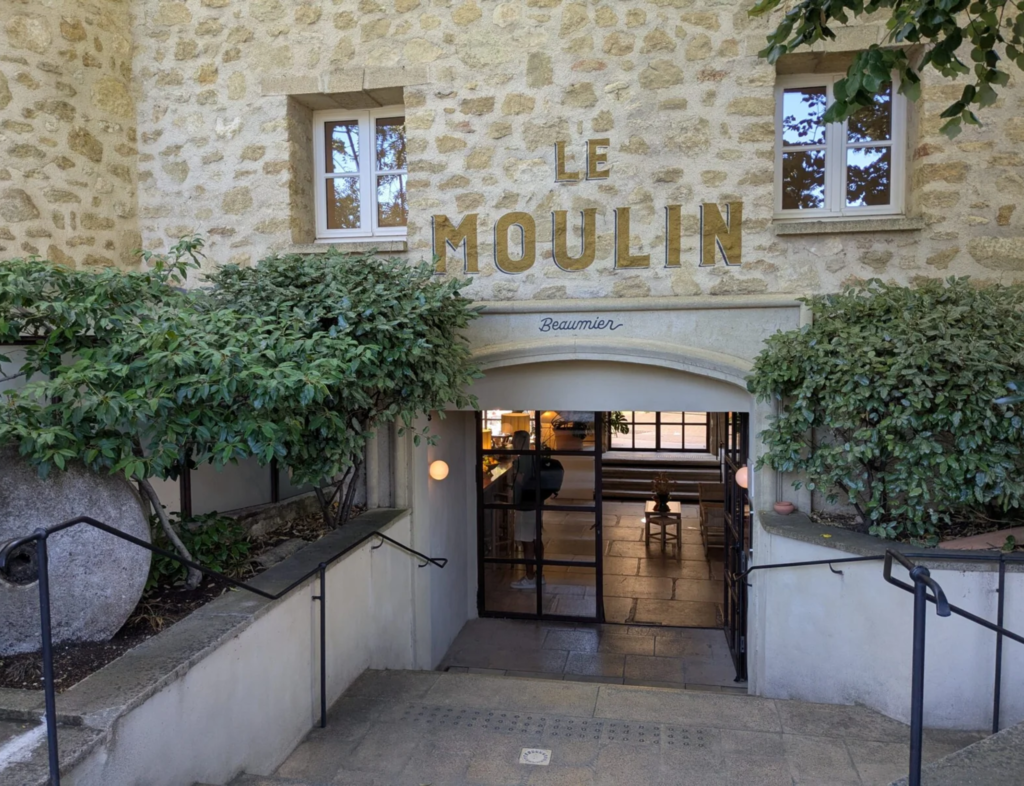
A Charming Village in the Heart of Provence The Luberon region is in inner Provence and forms part of the famous Côtes du Rhône wine route, one of France’s top-class wine regions. You will find fascinating places like the beautiful village of Lourmarin, regarded as one of the prettiest villages in France and one of the highlights of the remarkable Luberon region in the Vaucluse Department. Not the easiest destination to reach without private transport, but it has tremendous character and atmosphere. The well-preserved old market town boasts a wonderful restored château overlooking the village. Visitors should make time to visit the castle, now managed by a family foundation after being rescued many years ago by a philanthropic businessman from Lyon following the destruction of World War One. Today, the château hosts concerts and cultural events and tells fascinating stories of the area’s past. History, Religion and the Luberon Mountains Surprisingly, Lourmarin was once a Protestant village prior to the reign of Francis I, when Baron d’Oppède launched attacks against the Waldensians of the Luberon during the religious conflicts of the era. Today, both Protestant and Catholic heritage remain visible in the village — unusual in much of France. Our adventurous drive there took us through the vibrant regional town of Carpentras and earlier through Vaison-la-Romaine, where Roman ruins, chapels and cathedral cloisters still survive from ancient times. The roads gradually became steeper and narrower as we climbed mountain passes near Mont Ventoux, deep within the Luberon National Park. The drive at times felt similar to the mountain roads of Kerry or the Comeraghs in Ireland. Hotel Le Moulin and Provençal Hospitality Hotel Le Moulin proved to be a real revelation — a luxury four-star hotel created from a beautifully restored mill and open for less than a decade. Guests can enjoy gardens shaded by plane trees, an outdoor pool and views across to the Château de Lourmarin. The hotel is owned by the French hospitality group Beaumier Hotels, which operates several boutique hotels across Provence and the Alps. The atmosphere was warm and international. One staff member had previously owned a pub in Camden, London before the pandemic, while others spoke several languages fluently. Dining outdoors on a warm Provençal evening, guests enjoyed fine meats, regional wines and excellent service. Among the visitors was a sophisticated American group, some with Irish roots, touring hidden regions of France before continuing onwards to Lyon for fine dining experiences. Markets, Wine and Village Life Friday morning brought the lively village market of Lourmarin to life. Like many Provençal villages, the weekly market remains a centre of local life, filled with flowers, cheeses, olives, fresh produce and artisan goods. We also met a friendly local wine merchant operating from restored wine cellars within the château grounds. He played Irish music for us, offered local cheeses and even explained how he now uses AI tools to help market his business online. The Luberon region is excellent for: Hiking Cycling Vineyard tours Olive farm visits Scenic road trips Recommended wine estates include: Fontenille in Lauris La Verrerie in Puget St. Pierre de Méjans Fonvert in Lourmarin Dining recommendations include Recreation in Lourmarin and La Cuisine d’Amélie near Lauris. Useful tourism information can be found at:Luberon Tourism Official Site Albert Camus and Literary Heritage The Nobel Prize-winning French-Algerian writer Albert Camus made his home in Lourmarin and is buried nearby in the local cemetery. Known for works such as The Stranger and La Peste, Camus reportedly loved the region because it reminded him of his native Algeria. His former house still stands in the village and his family continue to preserve his literary legacy. Readers interested in cultural travel may also enjoy our feature on Bayreuth and Wagner Opera. Exploring More of Provence After Lourmarin, we travelled onwards towards Avignon and Aix-en-Provence, with Aix perhaps edging ahead as our personal favourite. Nearby villages such as Bonnieux are also highly recommended. On the return journey towards Avignon, Cavaillon makes a worthwhile stop for its synagogue, cathedral and excellent local dining options. Final Thoughts Overall, the Luberon region whetted the appetite to explore even more of Provence. September proved an excellent off-peak time to visit, while June to August can become extremely hot. Compared to the crowded Riviera coastline, the Luberon offers a quieter and more authentic side of southern France — filled with vineyards, hilltop villages, local markets and stunning mountain scenery. For travellers seeking a more relaxed and cultured French escape, Lourmarin deserves a place high on the travel list. Related Travel Guides For more regional travel inspiration, readers can also explore our guides to: Saint Emilion Wine Escape. Paris Spring Break 2026: Culture, Food & Hidden Gems Why Nantes Is France’s Most Underrated City Break

Scroll to Top