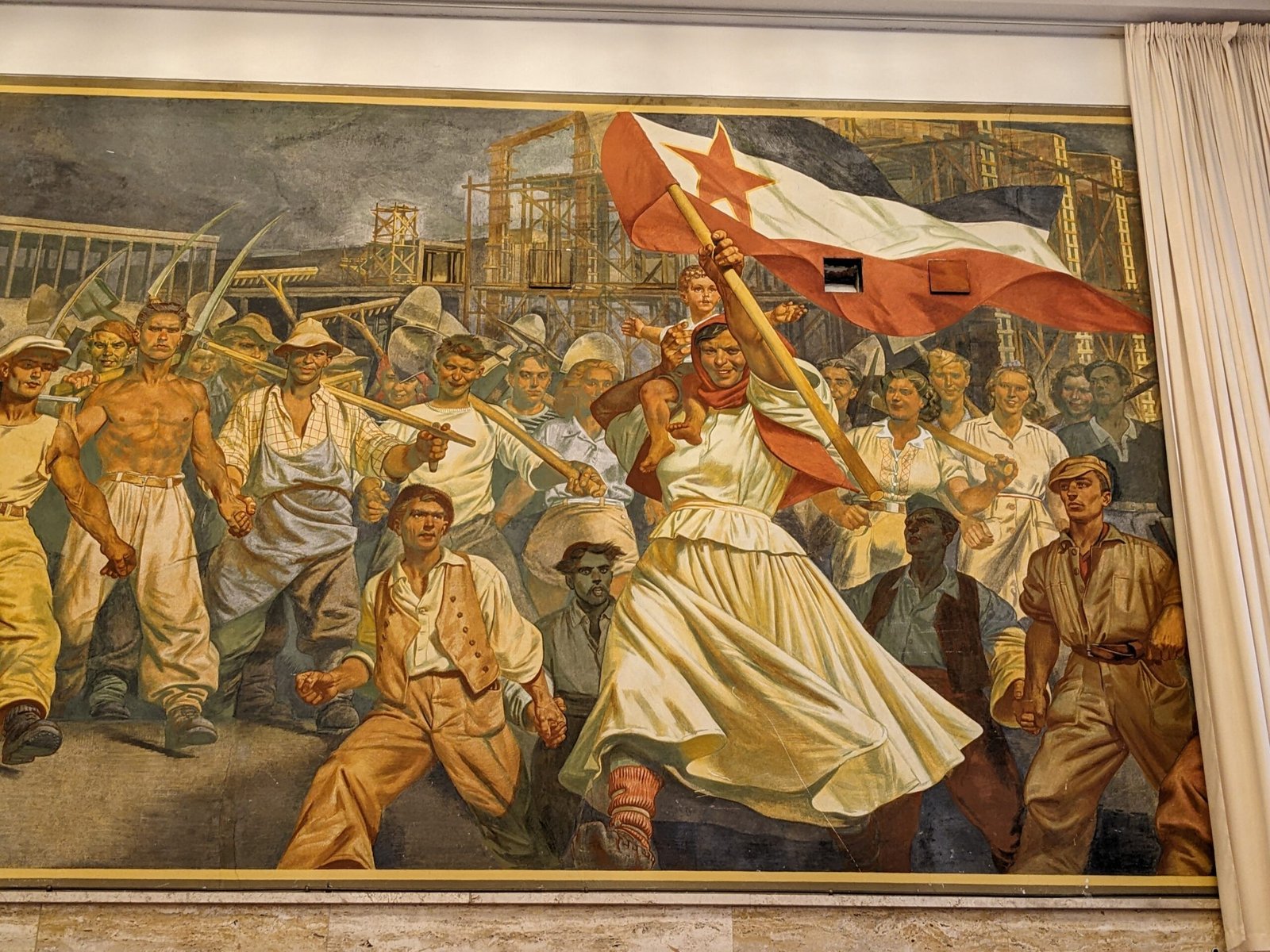
We recently spent a few days in Ljubljana, the capital of Slovenia, as part of a wider trip through this small EU country, formerly part of Yugoslavia.
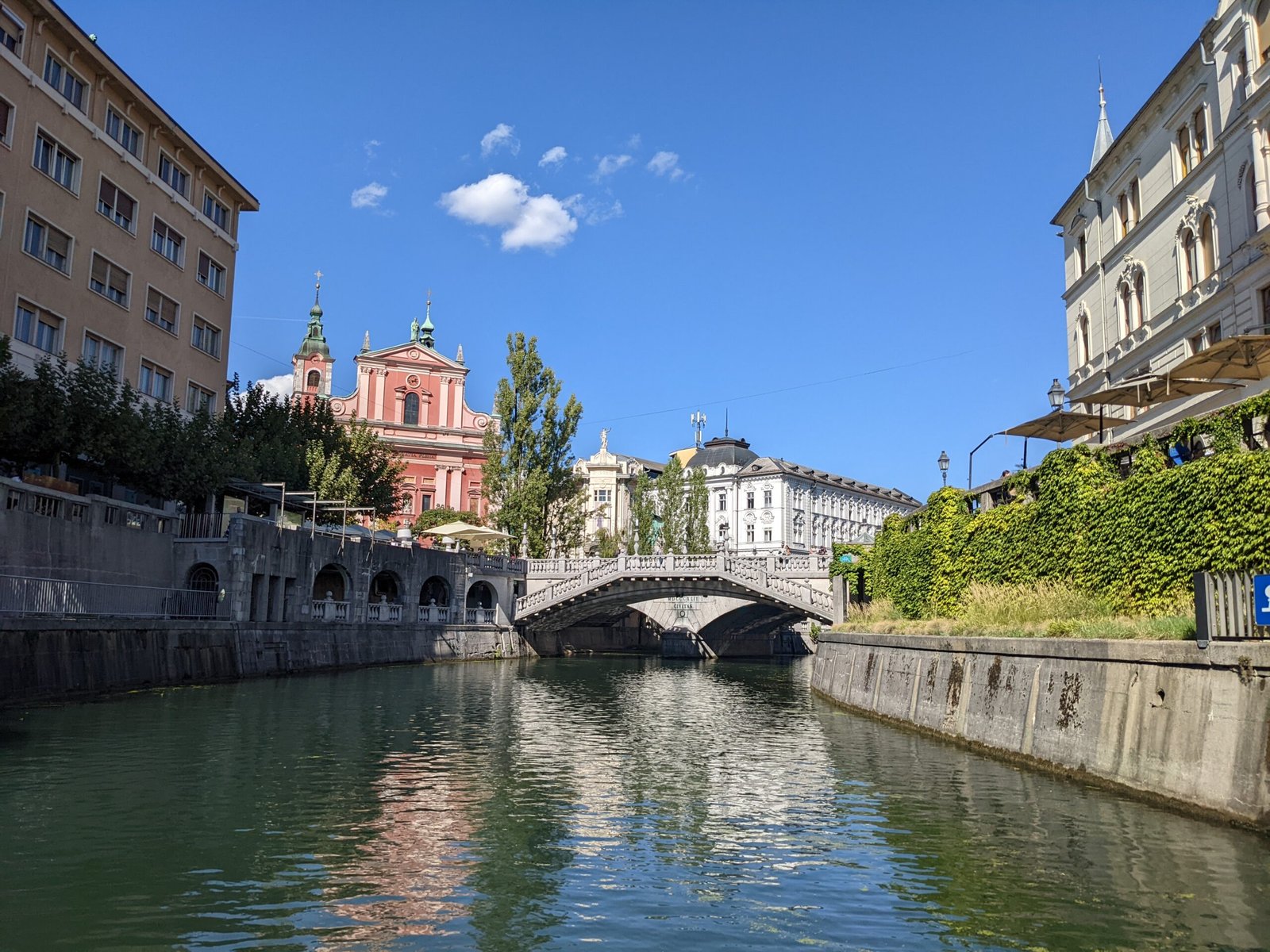
Ljubljana is a compact and highly attractive capital city, known for its castle, riverside dining, bridges, elegant architecture and eco-friendly lifestyle. It is easy to walk, rich in history and one of Europe’s most liveable capitals.
Getting There
Ljubljana currently has no direct Dublin route, so we flew into Treviso Airport, near Venice, and transferred to Slovenia with GoOpti. Another useful option is flying into Zagreb, around two hours away, with onward travel by bus or train.
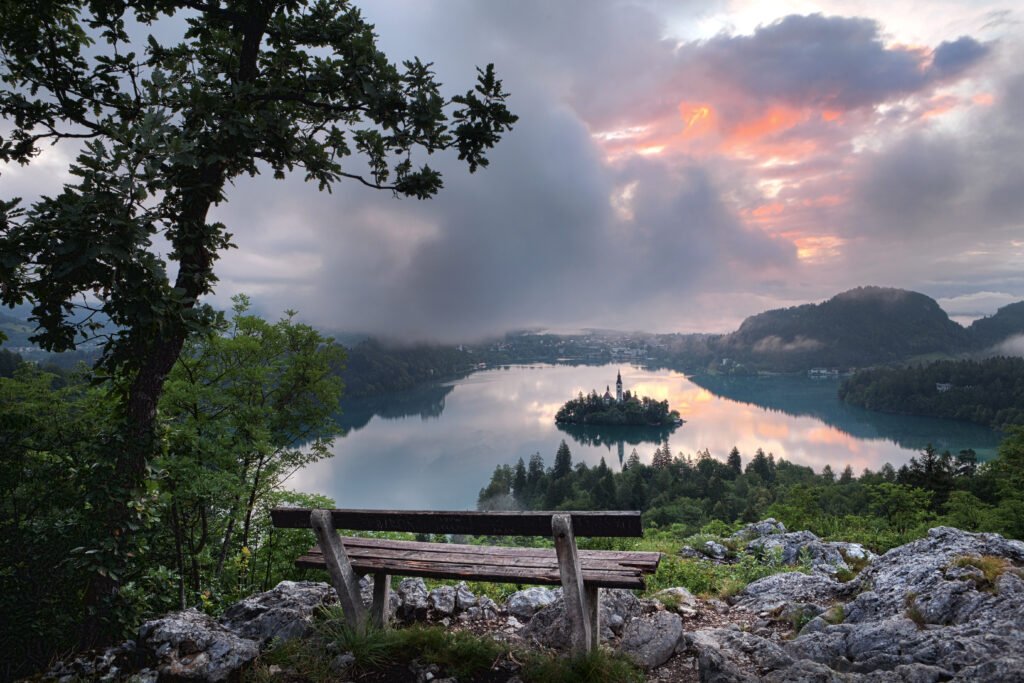
Ljubljana is also a strong base for exploring Slovenia, with Lake Bled around one hour away and Piran roughly two hours by bus.
First Impressions
Ljubljana is larger than Cork, with a population of approximately 250,000, yet it feels manageable and relaxed. The old town is easy to navigate and full of charm.
We visited in mid-September and enjoyed sunny weather at 24°C, ideal for walking the city and enjoying outdoor cafés. The city immediately stands out for its beautiful river, elegant streets, colourful facades and relaxed atmosphere.
History & Background
Ljubljana has a fascinating past shaped by Romans, Austrians, Yugoslavs and Slovenians. The Romans knew the city as Emona, and Roman remains can still be seen around the city.
Later, Ljubljana prospered under the Austro-Hungarian Empire, especially in the late 19th and early 20th centuries, giving the city much of its current Viennese-style architecture. The city also endured earthquakes in 1511 and 1895, which reshaped parts of its built heritage.
Slovenia became independent in 1991 after a brief ten-day conflict following the breakup of Yugoslavia.
Things To Do
Walking Tour
Start at the tourist information centre near the famous Triple Bridge, where guided city tours are available.
Our guide Simona gave excellent insights into the city’s architecture, politics and history.
Ljubljana Castle
Take the funicular to Ljubljana Castle, which dates back to early medieval times, with major additions from the 1500s.
The castle offers panoramic city views, historic prison cells, open-air event spaces and the impressive St George’s Chapel.
Churches & Civic Buildings
Visit St Nicholas Cathedral, where Roman stones are integrated into the walls.
The Town Hall is another highlight, displaying Roman remains and celebrating Mayor Ivan Hribar, who championed the Slovene language in public life.
Boat Tour
A river cruise from near Triple Bridge is highly recommended and costs around €20. It offers a relaxing way to see the city from the water.
Food & Dining
Ljubljana has a vibrant outdoor dining culture, especially in the evenings along the river.
Popular spots include:
Honey, wine and craft beer are strong local products.
The open-air food market near the centre is also worth visiting.
Local Life & Culture
Ljubljana is progressive, green and youthful. It has around 40,000 students, giving the city a lively atmosphere.
The centre is largely car-free, with cycle paths, riverside walkways and strong environmental values.
Bee keeping is encouraged on rooftops, and local garden allotments are available for residents at low cost.
The city has won multiple awards for sustainability and quality of life.
Day Trips / Nearby Places
Ljubljana is an excellent hub for wider travel:
- Lake Bled – one hour away
- Piran – around two hours
- Zagreb – nearby international city break option.
Where to Stay
Hotel prices are not cheap, with many rooms between €130–€150.
We stayed at Hotel Atelier, which cost around €120–€135 depending on the day.
Hotel Lev is another good option, close to the bus and train station.
Apartments and Airbnb can also offer value.
Practical Tips
- Best months: May to September
- Walk the city centre — it is compact and pedestrian-friendly
- Book hotels early due to limited supply
- Bring mosquito spray for evenings near the river
- Boat tours are best in good weather
Final Thoughts
Ljubljana is one of Europe’s most pleasant medium-sized capitals — scenic, cultured, historic and easy to enjoy.
With riverside cafés, castle views, green spaces and strong quality of life, it is a city that deserves far more attention from Irish travellers.
A true hidden gem in Central Europe.