
Portugal

Europe, Portugal, Travel Stories

Évora – Gateway to Alentejo and Eastern Portugal

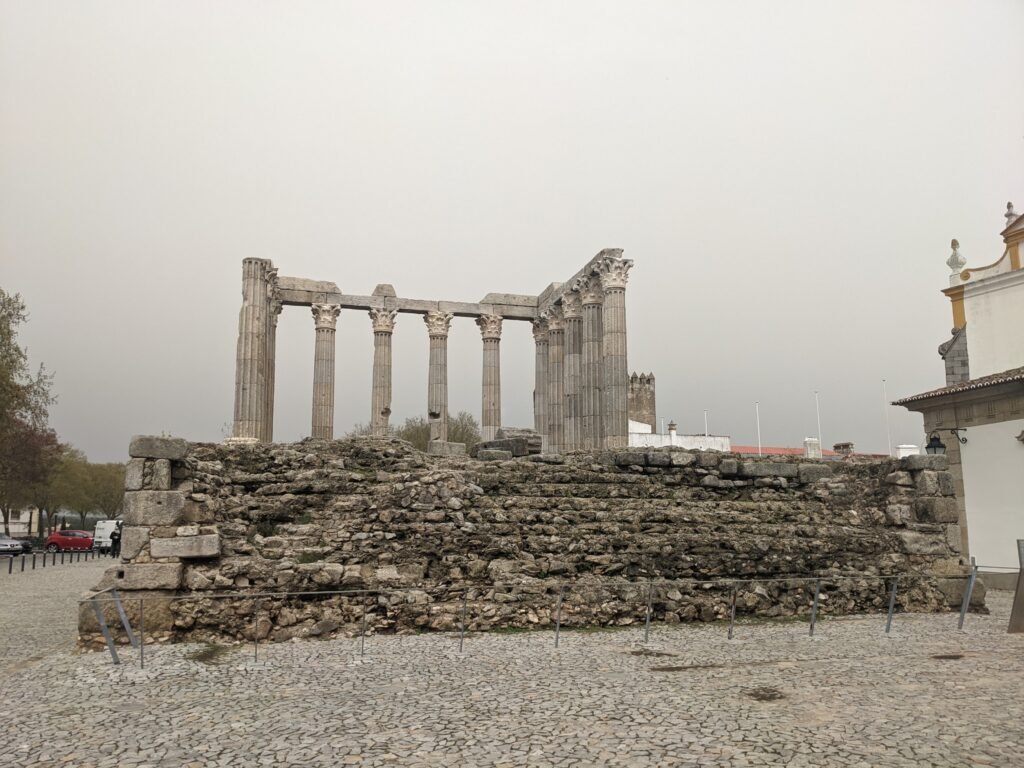
Évora, a former royal city east of Lisbon, dates back to Roman times and remains one of Portugal’s most impressive historic destinations. With its magnificent cathedral, ancient walls and well-preserved public buildings, this UNESCO-listed city is both a transport hub and a cultural treasure. We travelled there via FlixBus from Lisbon Airport and Oriente Station, as a threatened rail strike disrupted our original plans. Even in late October, the weather was warm, with sunshine and only the occasional shower — ideal for exploring. A Walled City Steeped in History Évora’s old town has remained remarkably intact for centuries. Just five minutes from the bus station, you step straight into a beautifully preserved medieval city without the traffic pressures of a larger capital. On this second visit — having previously won a stay at the excellent Vila Galé Évora — we once again found it an ideal base. The hotel offers generous buffet breakfasts and dinners, an outdoor pool, spa facilities and an easy walk to both the bus station and the historic centre. Cathedral Views & Roman Legacy A highlight of this trip was climbing to the rooftop of Évora Cathedral, where sweeping views stretch across the Alentejo countryside. Nearby stands the striking Roman Temple of Évora, a reminder of the city’s Roman origins. Beneath parts of the old town, visitors can explore Roman artefacts and underground remains, offering insight into villa life, art and pottery from ancient times. The cathedral crypt also preserves the memory of prominent clergy, adding another layer to the city’s rich religious heritage. Parks, Explorers & Architecture The city park is well worth visiting, with resident peacocks roaming freely. A statue of the great Portuguese explorer Vasco da Gama stands proudly among plane trees that evoke Tuscany or Provence. Walking along the top of the city walls gives perspective on Évora’s strategic importance through the centuries. As you wander inland from Lisbon’s metropolitan buzz, it truly feels like stepping back in time. Wine, Food & Alentejo Flavours Wine tasting is a key part of any visit to the Alentejo region. We previously visited Cartuxa Winery, a former Benedictine monastery now operating under a charitable trust. Taxi transport is advisable. The region is dotted with prestigious estates producing reliable, full-bodied reds. Dining in Évora is excellent. One standout is Vinho e Noz, just outside the town walls. With décor reminiscent of an old wine cellar, it serves regional dishes such as wild boar, bone-in steak and oxtail rice. Booking is recommended, especially at weekends. Inside the walls, many reliable restaurants offer strong value. The book Évora à Mesa, available at the tourist office in the main square, provides a useful culinary guide. The area was once part of the old Jewish quarter, whose community was expelled during the Spanish Inquisition — another chapter in the city’s layered past. Day Trips from Évora Évora makes an excellent base for exploring eastern Portugal: Marvão – Hilltop fortress town with spectacular views. Estremoz – Known for marble and historic walking tours. Vila Viçosa – Centre of Portugal’s marble industry. Monsaraz – Whitewashed village overlooking the Guadiana River near the Spanish border. We travelled to Estremoz by bus, walking up to its castle (now a hotel) and exploring antique shops before enjoying coffee in a welcoming local bakery. Half-day wine tours are also available through Alentejo Viti Tours, typically costing around €80 per person including transport, guide and tastings. Getting There Évora has good rail connections to Lisbon, though buses (including FlixBus) are often more frequent and economical. The bus terminal is conveniently located close to the town centre and the Vila Galé hotel. Lisbon Airport offers direct flights to Dublin with Aer Lingus, Ryanair and TAP Air Portugal. Final Thoughts Évora offers history, gastronomy and relaxed exploration in equal measure. As the medieval royal capital of Portugal and now the heart of the Alentejo region, it combines Roman heritage, cathedral views, wine culture and rural tranquillity. For travellers seeking authenticity away from Lisbon’s crowds, Évora is worth several days of discovery. Bom Dia.
Europe, Portugal, Travel Stories

Lisbon for City Break and Day Trips

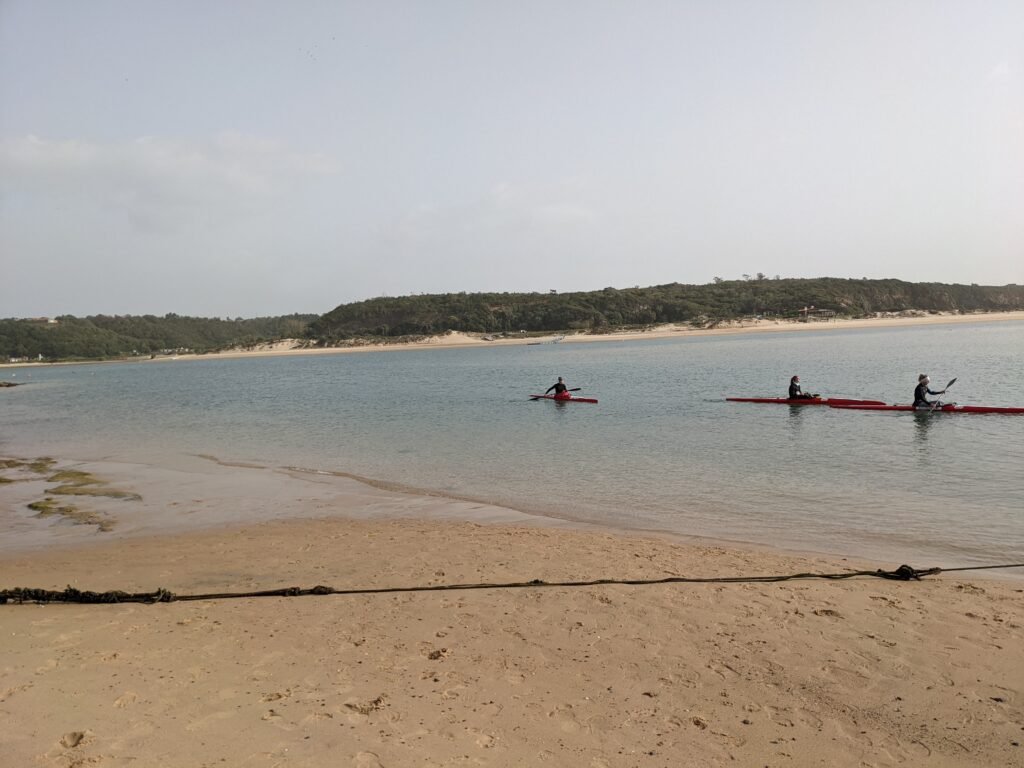
Top Quality City Break and Ideal Base for Day Trips Lisbon is now one of Europe’s top city-break destinations, and it can easily be combined with a beach stopover or day trips to places such as Sintra. Its setting on the River Tagus, impressive high-level bridges, and proximity to the sea at Estoril and Cascais make it a highly desirable place to visit. On this occasion, we explored areas to the south of the city, including the beach town of Vila Nova de Milfontes. This was our fourth visit to Lisbon, and there is still much left to discover. Getting Around For longer stays and trips outside the city, a car can be useful. However, public transport within Lisbon is excellent and, in our view, more efficient than Dublin’s. Trams, metro lines, buses, ferries, and trains make it easy to move around without the hassle of driving. We stayed near the river at Vila Galé Ópera, close to Santos and the main transport hub at Cais do Sodré, with metro, train, and tram connections. Historic Areas and Landmarks Many visitors head straight to Belém to see the famous riverside monuments, museums, and walkways. Highlights include: Belém Tower, dating back to the 1600s The Discoveries Monument, marking the voyages of explorers such as Vasco da Gama Jerónimos Monastery, where Vasco da Gama’s remains are interred Portugal’s colonial past is strongly reflected here, with historic links to Asia, South Africa, and South America. There are also Irish connections, as some Irish officers served in the Portuguese Navy after leaving Ireland post-1690. We also enjoyed exploring the older districts of Alfama and Graça, where Lisbon’s character remains largely unchanged. Narrow streets, small cafés, local grocery shops, and residents watching street life from doorways give these areas a timeless feel. Bridges and Modern Lisbon The striking red bridge near the Vila Galé Ópera resembles San Francisco’s Golden Gate Bridge. Built in the 1960s, it is now known as the 25th of April Bridge, commemorating the peaceful 1974 revolution that ended the Salazar dictatorship. Nearby, the MAAT – Museum of Art, Architecture and Technology is a must-visit, with engaging exhibitions. The Berardo Collection Museum offers an impressive modern art collection featuring Picasso, Miró, Warhol, Damien Hirst, and more. The former Royal Coach Museum is also worth a visit. Art, Culture, and Museums Lisbon excels in art and culture. The Gulbenkian Foundation museums are exceptional, housing collections ranging from Egyptian artefacts and Ming porcelain to Flemish masters, Rembrandt, Turner, Monet, and Manet. The foundation also supports contemporary artists and study programmes. We also discovered the MNAC – National Museum of Contemporary Art, which featured an exhibition on Irish-born architect and designer Eileen Gray, whose work later gained international recognition. Some of her designs have since sold for record prices and can be seen in collections such as Collins Barracks in Dublin. The Model Gallery, city museum on the Mall, and Yeats-related exhibitions further enhance Lisbon’s cultural appeal. Day Trips and Boat Tours A harbour boat tour or a ferry crossing using a travel card is a great way to experience the river. We recommend a short ferry trip to Cacilhas for lunch and views back across the Tagus. Sintra is another popular day trip, while coastal areas such as Cascais and Estoril offer easy beach escapes. Food, Drink, and Markets Lisbon’s food scene is vibrant and varied: The Mercado da Ribeira / Time Out Market is lively and social, with stalls run by well-known chefs Traditional cafés such as A Brasileira are ideal for a break The Rossio area is great for shopping, books, and maps Alfama and Graça offer excellent local fish dishes and desserts For something special, Michelin-recommended restaurants are available, but booking ahead is advised. Music, History, and Nightlife Fado music is deeply rooted in Lisbon’s culture and is best experienced live. Music venues across the city also feature Brazilian, Cape Verdean, and international performances. For 20th-century history, the Aljube Museum provides powerful insight into Portugal’s dictatorship, censorship, and colonial wars. This former political police headquarters offers archive film and exhibitions that are both educational and moving. Practical Tips Lisbon is best explored on foot and by public transport Avoid driving in the city centre due to narrow streets and heavy traffic Watch for pickpockets in busy tourist areas Tram 28 offers a scenic route through historic districts The Lisbon Card provides transport and attraction discounts Getting There We flew from Dublin with TAP Air Portugal, offering convenient daytime flights and efficient airport handling. Lisbon Airport has excellent metro, bus, and train connections for onward travel. Where to Stay Vila Galé Ópera, Santos area – good value off-season Hotel Eden, near Restauradores Apartments and B&Bs in Graça or Alfama for a more local experience Lisbon combines history, culture, food, and coastal access in a way few European cities can match. Friendly locals, a relaxed atmosphere, and excellent value make it a destination well worth returning to.

Scroll to Top