Europe

Europe, Travel Stories, United Kingdom

Dordrecht, Holland: A Hidden Gem Beyond Amsterdam

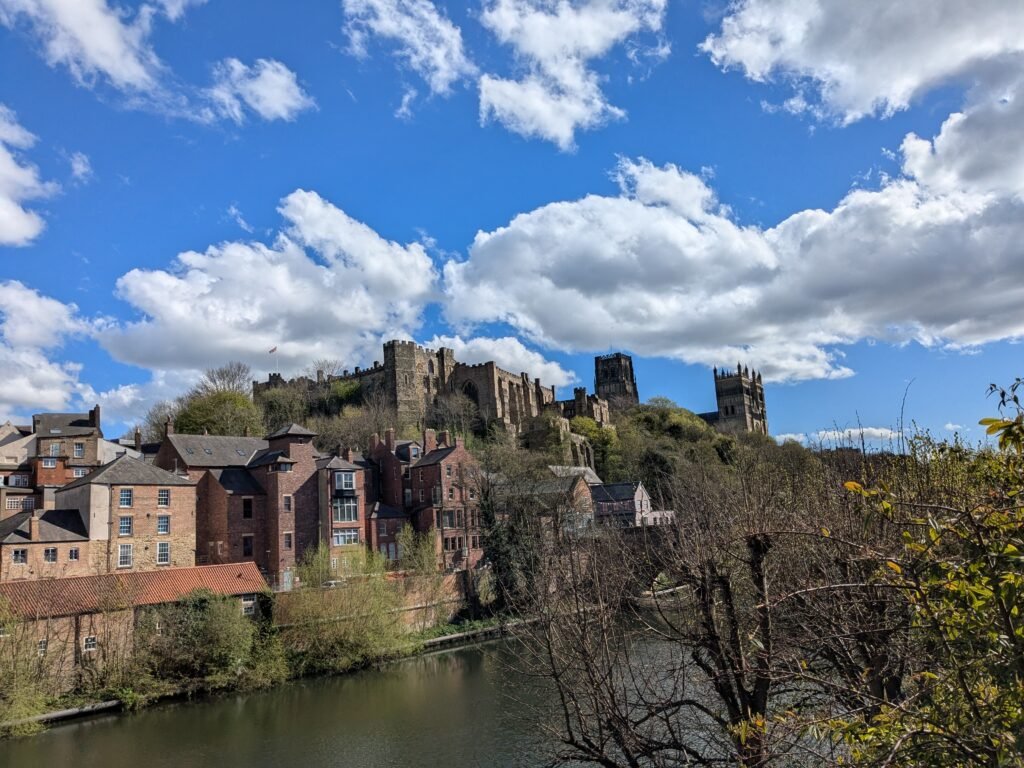
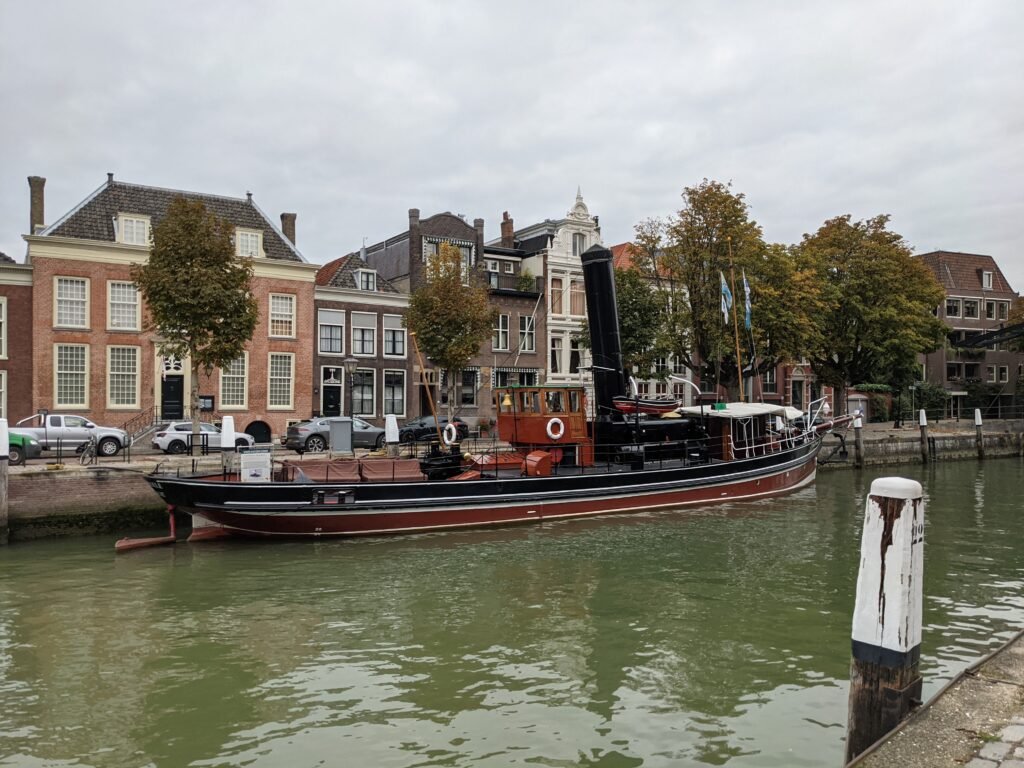
This is a beautiful and historic city, not far from Rotterdam, they claim it is the oldest city with a charter in Holland, so similarly. Little war damage despite being an important port in the past,but Rotterdam was heavily bombed. If you want to see a small version of Amsterdam with canals, history and art, then this is an alternative and lower in cost ,easy to do day trips from here and have a base too with lower hotel costs. First Impressions & Tours We started with a walking tour with Pauli, a native of South Africa, followed by a pleasant boat trip along the canals into the old port, where you can see major shipping traffic heading for the Rhine and Germany. We finished at the excellent Dordrecht museum. Waterford has made great progress in recent years with its tourism offering and Dordrecht has a great heritage also. Getting Around & City Layout There is an old town, which looks very prosperous and suburbs, arriving by train, it is about 15 minute walk to the old city, check out the tourism office for detailed maps, giving the complexity it can be better than Google maps, noted out tech savvy son, who lives in Holland. The town hall is very well restored and there is a great network of streets, where living in the old port and town is popular. This creates vibrancy, living over the shop is trendy here even if the rooms are smaller. Architecture & Heritage The building heritage is strong and has the 8th most preservation orders in all of the country. Some of the streets lean inwards and are kept up by steel wall anchors if renovations are undertaken. The old port is turned into a marina for pleasure boats and is also a trendy place to live now for locals or commuters to Rotterdam just 20kw away by train. See some heritage boats too in he harbour, an old warehouse or two that date back several hundred years , impressive churches and town walls also with their gates and coats of arms . Religion & Historical Change The city became Protestant after the reformation and the former St. Mary’s Catholic Cathedral became a Dutch Reformed Church, with all the statues taken out and paintings removed to be stored elsewhere. In other cities they were wantonly destroyed. This was in the early 1500s,after Martin Luther broke from the Catholic Church, many Dutch also followed his new religion, but less support for it in South Holland. Flooding & Survival The city would also lose out to Rotterdam from the 1700s after some great floods killed a huge number of citizens. Today they still worry about floods and our guide told us that she can move to the attic if the flood sea waters rise to a level of 4 metres more than normal and be safe for a while.in 1953 over 1850 died in a flood that affected all the country and a new Delta plan and defences built. Trade, Rivers & Economy Today you can see the great waterways of the links to the Rivers of the Maas and Rhine with cargo ships and barges going to Germany inland and towards the sea in the other direction. This was a great trading city back in the day and wine was big business, like in Waterford, they had links to France. They have named a wine street in the port, there the buildings still have old wine cellars and signs for a Bordeaux house. Important schools and churches are here too, some are converted now for modern use as religious belief falls. Local Life & Shopping Trends We also noted an emerging trend in Holland for pre loved things as part of an eco trend. Vintage fashion has become very popular, plus old furniture and furnishings, household items and vinyl records are making a big comeback with 3 stores selling vinyls on the main shopping street, said a shop owner to us. The city is nice and laid back with a good atmosphere. Art & Cultural Heritage We saw the famous burial place in the Augustine Church on Voorstraat of Aelbert Cuyp 1620-1691, world renowned artist from here, we would see his paintings later. The city was also the location for the Dordrecht conference to settle the breakaway land of Holland after a long Battle with Spain in the 1500s. The Spanish and Habsburgians would rule here, up to then. Later invaders would be the French and Napoleon after 1790 to 1815 and then the Nazis from 1940-45, so the city had its share of invaders. Boat Tours & Living Experience The excellent boat tour at ten euro a head is good value for an hour, no English on the loudspeaker tannoy, but was still nice in cool fine autumn weather. You get to see how people live over looking the canals and old port. Many of the houses are being renovated too as this is valuable real estate, although parking is a big challenge. The nearby port of Rotterdam has many jobs and Dordrecht is a pleasant place to live. Rotterdam suffered huge war damage 1940-45, but not Dordrecht, hence it is a magnet for tourists today. They had invaders then but also the French in 1800 to 1814 under Napoleon. Food & Dining The city has good places to eat also like the restaurant Magazijn on the main Voorstraat, great airy place with high ceilings and good ventilation, nice for fish and a variety of foods, served efficiently. No mask wearing except on trains. This is close to the Canal water bus stop. Markets & Local Atmosphere For local shoppers like in many Dutch towns there is a fish and food market, many immigrants and locals come here for good value and a chat with traders. Many interesting individually owner local shops also, it took a while to get used to not wearing masks in shops. There is an old mint nearby, where

Europe, France

Saint-Émilion Wine Escape: Bordeaux’s Hidden Gem

Famous Worldwide for Wine Production Saint-Émilion is one of the most famous wine destinations in the world and a perfect escape from Bordeaux . Bordeaux is probably one of the most famous places in the world for the production and sale of wine. The port of Bordeaux exported the region’s wines to both the old and new world. The famous claret comes from here and some of the greatest red wines in the world are produced in this region. The unique climate, rain and sunshine, together with the rich alluvial soil from the Gironde estuary and top-quality grapes, create the famous Bordeaux “superior quality”. Getting to Saint-Émilion The local tourist office offers organized wine tours for full or half days at approximately 89 euro, including transport, a light lunch and vineyard visits. Unfortunately, these were fully booked on our arrival, so we decided to take the train journey to the lovely town of Saint-Émilion, famous for its beautiful white sandstone buildings. Just 45 minutes from Bordeaux main station, Saint-Émilion is easily reached via the Bordeaux tram and rail system. A return day ticket costs approximately 15 euros. We met some Irish visitors who rented a car but found the costs expensive. It is often better to organize tours before leaving Ireland through the Gironde Tourist Board or travel agents such as Harvey Travel or Strand Travel. Walking Through the Vineyards There is a long uphill walk from the train station into the town itself, although taxis are available. Many visitors prefer the scenic route through the vineyards, stopping at wineries along the way. Some of the train travelers we met did exactly the same. This is also an excellent area for: Hiking Cycling Guided vineyard walks Wine tasting experiences From mid-May to mid-September, vineyard walking tours are especially popular. Many locals recommend late summer as one of the best times to visit. Exploring the Medieval Town Saint-Émilion offers much more than wine. Along the picturesque streets you can: Visit art galleries Browse craft shops Explore wine merchants Discover historic churches and cloisters The town has many wine shops with export experience and several owners know Ireland well, particularly Cork and Galway. There is also: The Collegiate Church The Monolithic Church bell tower The Cordeliers Monastery and cloister The King’s Tower (Château du Roy) The steep cobbled streets require care, but the views and atmosphere make the climb worthwhile. Wine Museums & French Heritage At the top of the hill you can visit a wine museum explaining how Bordeaux wines are produced. Nearby, we discovered a wine and crystal shop selling Baccarat crystal. The underground pottery museum is another hidden gem, showcasing ceramics dating back to Roman times and offering insight into French pottery history. Visitors can also explore: The Wine Grower’s Museum (Ecomuseum of Libournais) Historic wine cellars Roman and medieval heritage sites The Irish Connection to Bordeaux Wines We know some visitors, who have gone to visit Lynch Bages and the Dillon estates, both with strong Irish connections to the Bordeaux region. The Phelan family came from Clonmel and settled in the area in the late 1700s. The business later became known as Phelan Segur , located in St. Estèphe , just north of Bordeaux. The Kirwans and Bartons are other famous Irish names associated with vineyards in the Bordeaux region. Many original Irish families intermarried with the French over time and, in some cases, the family names evolved or changed on the vineyards. Now, the increased wealth of modern Ireland has also seen new Irish investment in vineyards, much like the Americans and Germans did in previous decades. The Cross family from Northern Ireland purchased Chateau de la Ligne , while Lochlann Quinn , brother of former Irish politician Ruairi Quinn , owned the well-known Chateau Fieuzal vineyard. These vineyards can often be visited, although it is best to check with the local tourist board and make advance bookings. A day of vineyard walks, wine tasting and a quality French meal can make for an ideal escape from Bordeaux city as part of a longer weekend break. Visitors can also learn about wine tasting and perhaps discover the historic Irish links to wine through the story of the “Wild Geese” — Irish families who left Ireland after the Battle of Kinsale and later periods of religious persecution. It is a wonderful region to reflect and relax as you travel back towards Bordeaux through acres of ripening vineyards. We had an Irish guide the previous day who explained how many Irish families settled in this region from the 1700s onwards, often after military service in France, later purchasing vineyards and developing successful wine businesses. That tradition continues today. Wine Tasting & Local Food Bordeaux is renowned for its red wines, but you will also find excellent white wines, both dry and sweet. Popular dry white grapes include Sauvignon Blanc and Semillon, while regions such as Entre-Deux-Mers, Côtes de Bourg and Côtes de Blaye are also well known. The sweet wines of Bordeaux are famous too, particularly Sauternes and Barsac, which make excellent dessert wines, along with Graves Supérieures and Sainte-Foy wines. Exploring the Medoc Region While we focused mainly on reds and Saint-Émilion, a trip to the Medoc was also highly recommended for serious wine enthusiasts, although our schedule did not allow enough time. This area lies north of Bordeaux near the mouth of the River Gironde and is synonymous with red wines dominated by Cabernet Sauvignon grapes thriving on gravel-rich soils. Bus No. 705 from Bordeaux Quinconces bus station will bring visitors towards the Medoc and the famous Chateau Margaux area, home to some of the world’s most celebrated wine estates. For more details see: Pauillac Medoc Tourism There is also a train service from Bordeaux Saint-Jean station, approximately 35–40 minutes away. Back in Bordeaux Back at Bordeaux-Saint-Jean Station , a splendid building and a reminder of another era, it was time to board the busy tram and return to the hotel to rest the legacy and

Europe, Germany

Bayreuth 2026: Germany’s Opera City You Must Visit

Bayreuth is a city famous for opera and the legacy of Richard Wagner. Like Verona in Italy or La Scala, Bayreuth attracts a global audience, but of a more unique and specialised variety. We were part of an invited international group from Europe, Asia, the Middle East and the USA to review German tourism and explore music and culture. First Impressions We were hosted in a fourth-generation family brewery that has expanded into the hotel business, combining hospitality with artistic street art across buildings and interiors. It would be like commissioning artists from Waterford Walls to transform a modern hotel — and it works extremely well. Bayreuth itself has strong street art culture, often reflecting musical themes and opera characters, with some works sponsored by galleries from Munich. This medium-sized city (population approx. 72,000) has a global reputation thanks to its dedicated Wagner opera house. History & Wartime Legacy Unlike Regensburg, Bayreuth suffered damage towards the end of World War II. Wagner’s association with Adolf Hitler, who attended performances here, contributed to the city becoming a target. Local accounts suggest fires during the Allied advance caused additional destruction beyond bombing. The region also had links to figures such as Rudolf Hess. Today, Bayreuth openly acknowledges this past and has moved forward as a welcoming international cultural destination. The Wagner Experience The Bayreuth Festspielhaus is purpose-built for Wagner’s works. Key highlights: Timber construction for superior acoustics Hidden orchestra pit Innovative stage mechanics Performances can last up to six hours with intervals. We toured backstage, saw the orchestra pit and learned how acoustics differ significantly from modern concrete theatres. We also met performers and members of the press, including BBC critic Michael White, who discussed the Wagner family’s continued role in the festival. Opera Culture & Atmosphere Opera in Bayreuth is more than entertainment — it is a culture. Visitors dress for the occasion, study the storylines in advance and fully immerse themselves in the experience. Advice from performers: Read the opera storyline beforehand Listen to the music in advance (YouTube is useful) Language is not a barrier if prepared The festival runs from late July to late August and sells out months in advance. 2026 marks the 150th anniversary of Wagner opera in Bayreuth — demand will be exceptionally high. Around the City Bayreuth is compact and easy to explore. Highlights include: Street art across buildings A lively university presence Outdoor swimming parks accessible by bus Cultural festivals (we experienced an Italian-themed event) Even an Irish connection exists at Dubliner Bayreuth, offering live music. Food & Dining The region offers exceptional cuisine. A standout experience was dining at: Posthotel Alexander Herrmann Led by Alexander Herrmann Highlights: Two Michelin stars Multi-course dining experience Strong regional focus The setting included live music and even service from the kitchen itself — a memorable experience. Beer & Brewery Culture Bayreuth has a deep brewing tradition, once home to over 200 breweries. We stayed at: Liebesbier Hotel Part of Maisel Brewery Owner Jeff Maisel explained the shift toward tourism and diversification. Features include: Craft beers and IPA Brewery tours Growing non-alcoholic beer market Nearby Nature & Region The surrounding area, known as Franconian Switzerland, offers: Rolling hills Lakes such as Fichtelsee Scenic countryside Where to Stay Recommended: Liebesbier Hotel Posthotel Alexander Herrmann Book early during festival season. Getting There Bayreuth is accessible via: Nuremberg Munich Rail connections are efficient and reliable. Day Trips / Nearby Places Bayreuth works well within a wider Bavarian itinerary: Bamberg – historic old town Regensburg – medieval architecture Nuremberg – culture and history Rothenburg ob der Tauber – fairytale setting You may also enjoy our Paris, Ljubljana, and Zagreb travel guides for similar cultural experiences. Final Thoughts Bayreuth is a cultural destination unlike any other. It blends: World-class opera Deep history Modern creativity Excellent food and drink For travellers seeking something different, it delivers a rich and memorable European experience.  

Europe, France

Paris Spring Short Breaks 2026: Hidden Gems, Food & Culture

We were recently back in Paris for the rugby international. Sadly, the match proved a heavy defeat for Ireland, but on the positive side it was a welcome return to the City of Light. Having briefly passed through Paris in 2022 and during the 2016 soccer championships, it was great to properly revisit one of Europe’s greatest capitals. From the restored Notre-Dame Cathedral to riverside walks along the Seine, lively markets and world-class museums, Paris remains ideal for a short spring break. Getting There We travelled with Dawson Travel in a package from Cork Airport to Paris Charles de Gaulle Airport, with coach transfer to our hotel in Montparnasse. Paris is easy to reach from Ireland with direct flights from Dublin, Cork, Shannon and Belfast through multiple airlines. The city’s second airport, Paris Orly Airport, is often closer to the centre. Useful booking resources: Ryanair Aer Lingus Air France Booking.com First Impressions Paris remains one of Europe’s most exciting and multicultural cities. The restored Notre-Dame, busy boulevards, elegant bridges and packed cafés all create that unmistakable Paris atmosphere. Even on a short stay, the city offers history, culture, food and endless places to walk and explore. Where We Stayed – Montparnasse We stayed in Pullman Paris Montparnasse. Montparnasse may not be the Champs-Élysées or Latin Quarter, but in many ways it is better — more local, better value and full of authentic neighbourhood life. Historically this district attracted many Bretons arriving from western France due to the nearby railway station. Today it is diverse, lively and well connected, yet still feels safer and calmer than some larger city districts. Things To Do Edgar Quinet Market One highlight was the excellent Edgar Quinet Market near the metro station of the same name. This traditional market offers fruit, vegetables, meats, cheeses and crafts. It is a feast for the eyes and ideal for bringing home quality French produce. Notre-Dame & Latin Quarter We visited the restored Notre-Dame Cathedral and nearby Shakespeare and Company, where there was still a queue to enter. The nearby St Michel area is lively, full of restaurants, cafés and nightlife. Reservations: To cut down on waiting times, you are highly encouraged to book a free time slot via the official Notre-Dame de Paris Website. Tickets are released 24 to 48 hours in advance. Luxembourg Gardens The elegant Luxembourg Gardens remain one of the best places in Paris for a peaceful walk. Seine Walks & Boat Tours Walking beside the Seine is one of the great Paris pleasures. We passed the historic riverside booksellers and the departure points for Bateaux Mouches cruises. Boat tours from Pont Alma remain excellent value and give a fresh perspective on the city. Museums & Culture Musée d’Orsay Our main cultural stop was Musée d’Orsay, still one of the best-value museums in Europe. For around €16 (book ahead), visitors can enjoy one of the world’s greatest Impressionist collections. Masterpieces by: Vincent van Gogh Claude Monet Édouard Manet A must for any Paris visit. Evening Jazz Later we enjoyed live jazz in a historic wine cellar venue near Rue de Rivoli — a reminder that Paris remains one of Europe’s great music cities. Food & Dining Montparnasse offers superb dining options: Traditional French brasseries Breton crêperies Vietnamese restaurants Italian food Moroccan couscous venues Classic café stops include: Le Dôme Café La Rotonde Nearby streets like Rue de Vaugirard and Cherche-Midi also offer excellent choices. Writers & Literary Paris Montparnasse has long literary links. Irish writer Samuel Beckett once lived in the area and reportedly frequented Le Falstaff, where Guinness is still available alongside French and Belgian beers. For book lovers, visit: Red Wheelbarrow Bookstore Shakespeare and Company Getting Around Paris transport is now highly digital. Use: IDF Mobilités app MyNavigo digital ticketing Metro operator RATP Single journeys start around €2.55, with discounts for bundles. The Metro remains one of Europe’s best urban transport systems. Practical Tips Spring is one of the best times to visit Book museums online in advance Stay in Montparnasse for value and convenience Use Metro apps instead of paper tickets Walk as much as possible — Paris rewards walkers Final Thoughts Paris remains one of the world’s great short-break cities. Whether you want art, food, markets, music, literature or iconic sights, the city still delivers in every season. Even after many visits, Paris always gives you something new. A marvellous few days in the City of Light. You may also enjoy: Lyon Travel Guide Nantes Travel Guide Beautiful Bath Travel Guide Hamburg Weekend Break Bologna City Break Guide Cathédrale Notre-Dame de Paris

Europe

Ljubljana Travel Guide: Slovenia’s Stunning Capital

We recently spent a few days in Ljubljana, the capital of Slovenia, as part of a wider trip through this small EU country, formerly part of Yugoslavia. Ljubljana is a compact and highly attractive capital city, known for its castle, riverside dining, bridges, elegant architecture and eco-friendly lifestyle. It is easy to walk, rich in history and one of Europe’s most liveable capitals. Getting There Ljubljana currently has no direct Dublin route, so we flew into Treviso Airport, near Venice, and transferred to Slovenia with GoOpti. Another useful option is flying into Zagreb, around two hours away, with onward travel by bus or train. Ljubljana is also a strong base for exploring Slovenia, with Lake Bled around one hour away and Piran roughly two hours by bus. First Impressions Ljubljana is larger than Cork, with a population of approximately 250,000, yet it feels manageable and relaxed. The old town is easy to navigate and full of charm. We visited in mid-September and enjoyed sunny weather at 24°C, ideal for walking the city and enjoying outdoor cafés. The city immediately stands out for its beautiful river, elegant streets, colourful facades and relaxed atmosphere. History & Background Ljubljana has a fascinating past shaped by Romans, Austrians, Yugoslavs and Slovenians. The Romans knew the city as Emona, and Roman remains can still be seen around the city. Later, Ljubljana prospered under the Austro-Hungarian Empire, especially in the late 19th and early 20th centuries, giving the city much of its current Viennese-style architecture. The city also endured earthquakes in 1511 and 1895, which reshaped parts of its built heritage. Slovenia became independent in 1991 after a brief ten-day conflict following the breakup of Yugoslavia. Things To Do Walking Tour Start at the tourist information centre near the famous Triple Bridge, where guided city tours are available. Our guide Simona gave excellent insights into the city’s architecture, politics and history. Ljubljana Castle Take the funicular to Ljubljana Castle, which dates back to early medieval times, with major additions from the 1500s. The castle offers panoramic city views, historic prison cells, open-air event spaces and the impressive St George’s Chapel. Churches & Civic Buildings Visit St Nicholas Cathedral, where Roman stones are integrated into the walls. The Town Hall is another highlight, displaying Roman remains and celebrating Mayor Ivan Hribar, who championed the Slovene language in public life. Boat Tour A river cruise from near Triple Bridge is highly recommended and costs around €20. It offers a relaxing way to see the city from the water. Food & Dining Ljubljana has a vibrant outdoor dining culture, especially in the evenings along the river. Popular spots include: Lajbah Suklje Wine Bar Sir William’s Pub Patrick’s Irish Pub Honey, wine and craft beer are strong local products. The open-air food market near the centre is also worth visiting. Local Life & Culture Ljubljana is progressive, green and youthful. It has around 40,000 students, giving the city a lively atmosphere. The centre is largely car-free, with cycle paths, riverside walkways and strong environmental values. Bee keeping is encouraged on rooftops, and local garden allotments are available for residents at low cost. The city has won multiple awards for sustainability and quality of life. Day Trips / Nearby Places Ljubljana is an excellent hub for wider travel: Lake Bled – one hour away Piran – around two hours Zagreb – nearby international city break option. Where to Stay Hotel prices are not cheap, with many rooms between €130–€150. We stayed at Hotel Atelier, which cost around €120–€135 depending on the day. Hotel Lev is another good option, close to the bus and train station. Apartments and Airbnb can also offer value. Practical Tips Best months: May to September Walk the city centre — it is compact and pedestrian-friendly Book hotels early due to limited supply Bring mosquito spray for evenings near the river Boat tours are best in good weather Final Thoughts Ljubljana is one of Europe’s most pleasant medium-sized capitals — scenic, cultured, historic and easy to enjoy. With riverside cafés, castle views, green spaces and strong quality of life, it is a city that deserves far more attention from Irish travellers. A true hidden gem in Central Europe.

Croatia, Europe

Zagreb Croatia Travel Guide City Break

Zagreb is one of Europe’s most underrated capitals — a vibrant, compact city with strong Austro-Hungarian influence, often compared to a smaller version of Vienna. With a population of around 500,000, it offers culture, history and atmosphere without the crowds of larger European cities. Getting There Getting there now is easy with Ryanair offering direct flights from Dublin. Zagreb can also be combined with a visit to Ljubljana, the capital of Slovenia, just a short journey away via FlixBus, making for a convenient twin-city break. First Impressions Zagreb feels like a smaller Vienna, with elegant Austrian-style buildings and a relaxed pace. The city is easy to navigate and offers a mix of historic charm and modern culture. This was a return visit, having previously experienced the famous Christmas markets, known for their music, atmosphere and festive energy. History & Background Zagreb has a rich and complex history. It was part of the Austro-Hungarian Empire for centuries under the Habsburg monarchy, later becoming part of Yugoslavia in 1918 before gaining independence in 1991. From World War history through the Tito era and into modern EU membership, the city reflects significant political and cultural change. Things To Do Start at the Dolac Market, a lively local market near the city centre. The Zagreb Cathedral is one of the city’s key landmarks, although it has been undergoing restoration following earthquake damage. Take time to visit the castle area overlooking the old town for excellent panoramic views. For something different, explore the Museum of the 80s Zagreb, where you step into a recreated 1980s apartment filled with vintage furniture, early computers, vinyl players and everyday objects from the Yugoslav era. Nearby, the Museum of Broken Relationships offers a unique and emotional experience, displaying personal stories of love, loss and life events from around the world. The Museum of Contemporary Art Zagreb is also worth visiting for modern exhibitions. Food & Dining For food and nightlife, Tkalčićeva Street is a lively area filled with restaurants, cafés and bars. Live music and outdoor dining create a great atmosphere, especially in warmer months. Another excellent area is Ulica Nikole Tesle, where locals dine. At number 10, you can find a unique café set inside an original Orient Express train carriage — perfect for coffee, cake or a drink. Near Dolac Market, you’ll also find Harat’s Irish Pub Zagreb, popular with locals and visitors alike. Local Life & Culture Zagreb has a relaxed and friendly vibe. Parks near the main railway station provide green spaces to unwind, while street culture blends history with modern life. The 1980s museum highlights how Yugoslavia once had a relatively high standard of living, offering a nostalgic look at everyday life during that era. Day Trips / Nearby Places A popular option is to combine Zagreb with Ljubljana, just a short bus journey away. Zagreb is also a convenient stopover on the way to Croatia’s famous coastline, making it ideal as part of a wider travel itinerary. Where to Stay Zagreb offers a wide range of accommodation options, from city-centre hotels to budget stays. Staying centrally allows easy access to attractions, dining and transport links. Practical Tips Many museums and public buildings are closed on Mondays Walking is the best way to explore the city Visit in December for Christmas markets or summer for outdoor dining Public transport is reliable and affordable Final Thoughts Zagreb is a city full of character, blending history, culture and creativity. Whether visiting for a weekend break, a festive getaway or as part of a longer Croatian trip, it offers a rewarding and unique experience. A city well worth adding to your European travel list.  

Europe, France, Travel Stories

Nantes Travel Guide: Culture, History & Irish Links

Nantes – A Cultural Magnet with Irish Connections Nantes, in northwest France, is fast becoming a standout city break destination — especially for Irish travellers. With year-round flights from Dublin via Ryanair and seasonal routes from Cork, access has never been easier. What makes Nantes even more special is its strong connection with Ireland, particularly Waterford. The nearby town of Saint-Herblain, twinned with Waterford, has fostered decades of cultural exchange. Over 7,000 visits have taken place in the past 25 years, building a deep relationship between the regions. For Irish visitors, Nantes and the wider Brittany/Loire area feel familiar — a shared Celtic heritage, coastal landscapes and a welcoming atmosphere make it easy to feel at home. Why Visit Nantes? Nantes is the largest city in the Pays de la Loire region and offers a perfect mix of culture, history, shopping and gastronomy. Tourism officials describe it as an ideal short city break destination, with two days enough to explore the city, combined with easy trips to the nearby coast. The city is also gaining recognition internationally. Time Magazine once described it as one of the most pleasant cities in France, while L’Express ranked it highly among young people for quality of life. A City of History & Heritage At the heart of Nantes stands the impressive Château des Ducs de Bretagne, surrounded by a wide moat. Now a city museum, it tells the story of Nantes’ maritime past, including its links with Ireland following the Penal Laws. The museum also explores the more difficult chapters of history, including the city’s involvement in the transatlantic slave trade. Nantes was once a major port for sugar imports from the Caribbean, which helped fuel industries such as biscuit production. Before Brittany became part of France, Nantes was its most important city — and many locals still identify strongly with Breton culture, including its distinctive music and traditions. Art, Culture & Creativity Nantes has reinvented itself as a creative hub. The Le Voyage à Nantes initiative blends art, culture and everyday life, with sculptures and installations placed throughout the city — along rivers, in parks and across public spaces. The city is home to more than a dozen museums, including the excellent Musée d’Arts de Nantes, which features works from the 13th century to modern times. Another highlight is the legacy of Jules Verne, author of Around the World in 80 Days, who was born in Nantes. A museum dedicated to his life and work is set to expand, further strengthening the city’s cultural offering. Walking, Shopping & City Life Nantes is a city best explored on foot. Wide plazas, riverside walks and elegant streets make it a pleasure to wander. Highlights include: Beautiful parks and green spaces Historic cathedrals and river views Open-air art installations across the city Shopping is another attraction. The iconic Galeries Lafayette Nantes offers high-end fashion, while the charming Passage Pommeraye — a 19th-century arcade — provides a unique shopping experience with its ornate architecture. Local Nantais sweets and chocolates are also worth bringing home. A Maritime City with Global Links Like Waterford, Nantes built its wealth through maritime trade. Its port connected France to the Caribbean, Canada and Africa, shaping the city’s economic and cultural development. The River Loire remains central to this story, flowing through a fertile region known for its vineyards and châteaux. While shipbuilding has moved downstream to Saint-Nazaire, Nantes continues to thrive as a modern cultural and economic centre. Final Thoughts Nantes is a city on the rise — creative, historic and welcoming. With strong Irish links, easy access and a rich mix of culture, food and heritage, it offers an ideal short break with the option to explore the wider Loire region and Atlantic coast. For travellers from Ireland, it is not just another French city — it is a place with familiar connections and new discoveries waiting.  

Europe, Travel Stories, United Kingdom

Beautiful Bath: A Timeless Georgian Gem in Somerset

There are some cities you visit… and others you experience. Bath in Somerset is firmly in the second category — one of England’s most elegant and walkable small cities, steeped in history, culture and Georgian charm. I hadn’t been in decades, so on a recent road journey to London, we made it our stopover — and it was the perfect choice. Getting to Bath If you’re travelling from Ireland, Bath makes a superb gateway to southern England. Sail with Stena Line from Rosslare to Fishguard (around 3 hours’ drive to Bath). Book early for fares from €200 with car. Irish Ferries operate to Pembroke — a slightly longer sailing but convenient for the A40 route. Combine your trip with stops at the Gower Peninsula, Margam Park, or Cardiff. Flying?Arrive via Bristol Airport, then take a 30-minute bus connection (approx. £11). Train links are also available from Fishguard via Swansea and Cardiff. A City of Honey-Coloured Stone Much of Bath’s stunning architecture dates from the 1700s and 1800s, when the city became a fashionable Georgian spa retreat. Its creamy sandstone terraces are instantly recognisable. The iconic Royal Crescent remains one of Britain’s finest examples of Georgian architecture — a sweeping curve of aristocratic townhouses that feels like stepping into a period drama. It brings to mind Georgian Dublin, when elegance and symmetry defined urban life. The Roman Legacy Bath’s story goes back much further than the Georgian era. The world-famous Roman Baths are among the best-preserved Roman sites in Europe. Built around the sacred spring of the goddess Sulis Minerva, they still flow today. Book tickets in advance — weekends are especially popular with London visitors and overseas travellers. Culture, Festivals & Fashion Bath is small but culturally mighty. It has a vibrant year-round calendar of festivals and events: Performances at the beautiful Theatre Royal Bath Comedy and music at Komedia Bath The annual Bath International Music Festival (May) Folk Festival (August) The renowned Christmas Market — one of Britain’s best Literary fans can explore the Jane Austen Centre, celebrating the author who lived here and immortalised Georgian society. Fashion also has deep roots in Bath. The dandy Beau Brummell once set trends here, and the city continues to celebrate style with fashion events and exhibitions. Museums & Attractions Beyond the Roman Baths and crescents, there’s plenty more: American Museum & Gardens – fascinating exhibitions (from Wild West themes to Prohibition-era Americana reminiscent of Boardwalk Empire) Fashion Museum Georgian gardens and walking trails Bath Spa and visitor centre Excellent independent shopping near the Abbey and Roman Baths Sports lovers will know Bath Rugby, who play at “The Rec,” while horse racing fans can visit Bath Racecourse on the edge of town. Food & Atmosphere Bath has a relaxed but refined food scene — from cosy pubs to contemporary dining spaces and art cafés. It feels lively yet intimate, with a friendly West Country charm. The city thrives on tourism and education (with three universities), while many professionals commute to London — just 90 minutes away by fast train. Where We Stayed We stayed at the Bay Tree House, a comfortable and central guest house with parking — a real bonus in Bath, where parking can be expensive and scarce. Rooms ranged from £75–£100 per night for two. Louise was a welcoming host, and despite our late booking (the city was nearly full), we were well looked after. Walking Bath Bring comfortable shoes — Bath is hilly, but wonderfully compact. Wandering its streets reveals hidden courtyards, artisan shops, bookshops and inviting cafés. The pale stone glows beautifully in the late afternoon sun — a photographer’s dream. A Perfect Stopover Whether you’re en route to London, planning a long weekend, or combining Wales and England in one road trip, Bath offers history, architecture, culture and relaxation in one elegant package. If travelling by ferry with a car, remember: Duty-free wine can be purchased on return Petrol is generally cheaper in Ireland, so fill up before sailing Sterling exchange rates currently favour euro travellers Bath is not just a stop on the map — it’s a step back into refined England, where Roman waters still flow and Georgian crescents curve with timeless grace. A truly beautiful city.

Europe, Travel Stories

Lošinj, Croatia – A Hidden Island Paradise in the Adriatic

Croatia may not be as widely known in Ireland as Spain or Portugal, but destinations such as Dubrovnik, Istria and the Dalmatian coast have grown in popularity in recent years. Yet beyond these headline spots lies a quieter gem — the island of Lošinj. We first visited Croatia in late 2019 for the Christmas markets in Zagreb. This time, after speaking with Croatian friends, we decided to explore somewhere less familiar — the Kvarner Gulf and the island of Lošinj. Getting There Flight frequency in September is lower than peak summer, with just two weekly direct services. We flew with Croatia Airlines direct to Zagreb, avoiding a London transfer. Zadar is another useful airport for island access, served by Croatia Airlines and Ryanair. Hiring a car significantly reduces travel time compared to public transport. We booked through CarTrawler and collected an Enterprise vehicle at Zagreb Airport. After a smooth pickup, we drove towards Rijeka via the tolled motorway. Rather than attempt the island journey in darkness, we wisely stopped overnight in Crikvenica, an old fishing port now popular with German, Austrian and Czech visitors. Excellent value was evident immediately — a beachfront hotel for €60 and a three-course dinner with drinks for €15. Journey to Lošinj The following morning we crossed to Krk Island, taking the ferry from Valbiska to Merag on Lošinj (around €20 with car, 25 minutes). From there, a scenic but winding drive with hairpin bends led us south to Mali Lošinj, the island’s main harbour town. The landscape is dramatic — rocky hills, pine forests and shimmering Adriatic waters. Tourism here is strong but not dominated by large package resorts. Visitors are mainly German, Austrian, Slovenian, Hungarian and Italian. Dolphins & Adriatic Sunsets One highlight was a 2.5-hour dolphin-watching tour off nearby Pag Island. We were fortunate to see ten dolphins surfacing near a fishing trawler. The operators work with marine foundations to identify and name dolphins, limiting viewing to 30 minutes to protect wildlife. That evening, we sailed aboard a restored 100-year-old cargo schooner. Although there was little wind, the sunset over Lošinj was spectacular. History & Maritime Heritage Lošinj’s harbour dates back to Roman times, with Venetian and Austro-Hungarian influences shaping its development. Grain warehouses and shipyards once dominated the port, and maritime activity continues today. A cultural highlight is the Museum of Apoxyomenos, dedicated to a remarkable Greek bronze statue discovered underwater by a Belgian diver. The statue, believed to have been destined for a Roman villa, lay hidden for centuries before careful restoration. Nearby Osor is another charming historic village with harbour views and outdoor sculptures. Where to Stay We stayed at Hotel Aurora, part of the Valamar group. The setting is peaceful, with buffet three-course meals for under €20 and evening outdoor music until 11pm. The atmosphere throughout the island is relaxed. Cafés typically close at midnight, and there is less of a pub culture compared to Ireland — more emphasis on dining terraces and marina cafés. Cycling, Beaches & Coastal Life A beautiful coastal cycle path runs from Mali Lošinj to Čikat through pine forest and along the sea. Bike hire costs under €10 for half a day. Electric bikes are popular for tackling the hills. Beaches are plentiful but often rocky rather than sandy. Many visitors purchase swimming shoes locally. Some designated FKK (naturist) beaches exist — part of a long-standing Central European tradition. Artisan stalls sell coral jewellery and local crafts. Fishing, olive growing and small-scale tourism remain key activities. Why Visit Lošinj? Lošinj feels like a European paradise — idyllic, safe and understated. It offers: Dolphin watching tours Historic harbour towns Scenic cycling routes Sunset boat trips Relaxed dining at reasonable prices Fewer crowds than Croatia’s headline islands While getting there requires effort, summer catamaran services also operate from Zadar. The best months to visit are May, June and September — sunny, warm and less intense than peak July–August heat. Final Thoughts Lošinj may not yet be widely known in Ireland, but it deserves attention. For travellers seeking crystal waters, maritime heritage and a slower pace — all within the EU — this Adriatic island is a superb alternative to long-haul destinations. A true hidden gem.  

Europe, Portugal, Travel Stories

Évora – Gateway to Alentejo and Eastern Portugal

Évora, a former royal city east of Lisbon, dates back to Roman times and remains one of Portugal’s most impressive historic destinations. With its magnificent cathedral, ancient walls and well-preserved public buildings, this UNESCO-listed city is both a transport hub and a cultural treasure. We travelled there via FlixBus from Lisbon Airport and Oriente Station, as a threatened rail strike disrupted our original plans. Even in late October, the weather was warm, with sunshine and only the occasional shower — ideal for exploring. A Walled City Steeped in History Évora’s old town has remained remarkably intact for centuries. Just five minutes from the bus station, you step straight into a beautifully preserved medieval city without the traffic pressures of a larger capital. On this second visit — having previously won a stay at the excellent Vila Galé Évora — we once again found it an ideal base. The hotel offers generous buffet breakfasts and dinners, an outdoor pool, spa facilities and an easy walk to both the bus station and the historic centre. Cathedral Views & Roman Legacy A highlight of this trip was climbing to the rooftop of Évora Cathedral, where sweeping views stretch across the Alentejo countryside. Nearby stands the striking Roman Temple of Évora, a reminder of the city’s Roman origins. Beneath parts of the old town, visitors can explore Roman artefacts and underground remains, offering insight into villa life, art and pottery from ancient times. The cathedral crypt also preserves the memory of prominent clergy, adding another layer to the city’s rich religious heritage. Parks, Explorers & Architecture The city park is well worth visiting, with resident peacocks roaming freely. A statue of the great Portuguese explorer Vasco da Gama stands proudly among plane trees that evoke Tuscany or Provence. Walking along the top of the city walls gives perspective on Évora’s strategic importance through the centuries. As you wander inland from Lisbon’s metropolitan buzz, it truly feels like stepping back in time. Wine, Food & Alentejo Flavours Wine tasting is a key part of any visit to the Alentejo region. We previously visited Cartuxa Winery, a former Benedictine monastery now operating under a charitable trust. Taxi transport is advisable. The region is dotted with prestigious estates producing reliable, full-bodied reds. Dining in Évora is excellent. One standout is Vinho e Noz, just outside the town walls. With décor reminiscent of an old wine cellar, it serves regional dishes such as wild boar, bone-in steak and oxtail rice. Booking is recommended, especially at weekends. Inside the walls, many reliable restaurants offer strong value. The book Évora à Mesa, available at the tourist office in the main square, provides a useful culinary guide. The area was once part of the old Jewish quarter, whose community was expelled during the Spanish Inquisition — another chapter in the city’s layered past. Day Trips from Évora Évora makes an excellent base for exploring eastern Portugal: Marvão – Hilltop fortress town with spectacular views. Estremoz – Known for marble and historic walking tours. Vila Viçosa – Centre of Portugal’s marble industry. Monsaraz – Whitewashed village overlooking the Guadiana River near the Spanish border. We travelled to Estremoz by bus, walking up to its castle (now a hotel) and exploring antique shops before enjoying coffee in a welcoming local bakery. Half-day wine tours are also available through Alentejo Viti Tours, typically costing around €80 per person including transport, guide and tastings. Getting There Évora has good rail connections to Lisbon, though buses (including FlixBus) are often more frequent and economical. The bus terminal is conveniently located close to the town centre and the Vila Galé hotel. Lisbon Airport offers direct flights to Dublin with Aer Lingus, Ryanair and TAP Air Portugal. Final Thoughts Évora offers history, gastronomy and relaxed exploration in equal measure. As the medieval royal capital of Portugal and now the heart of the Alentejo region, it combines Roman heritage, cathedral views, wine culture and rural tranquillity. For travellers seeking authenticity away from Lisbon’s crowds, Évora is worth several days of discovery. Bom Dia.

Scroll to Top