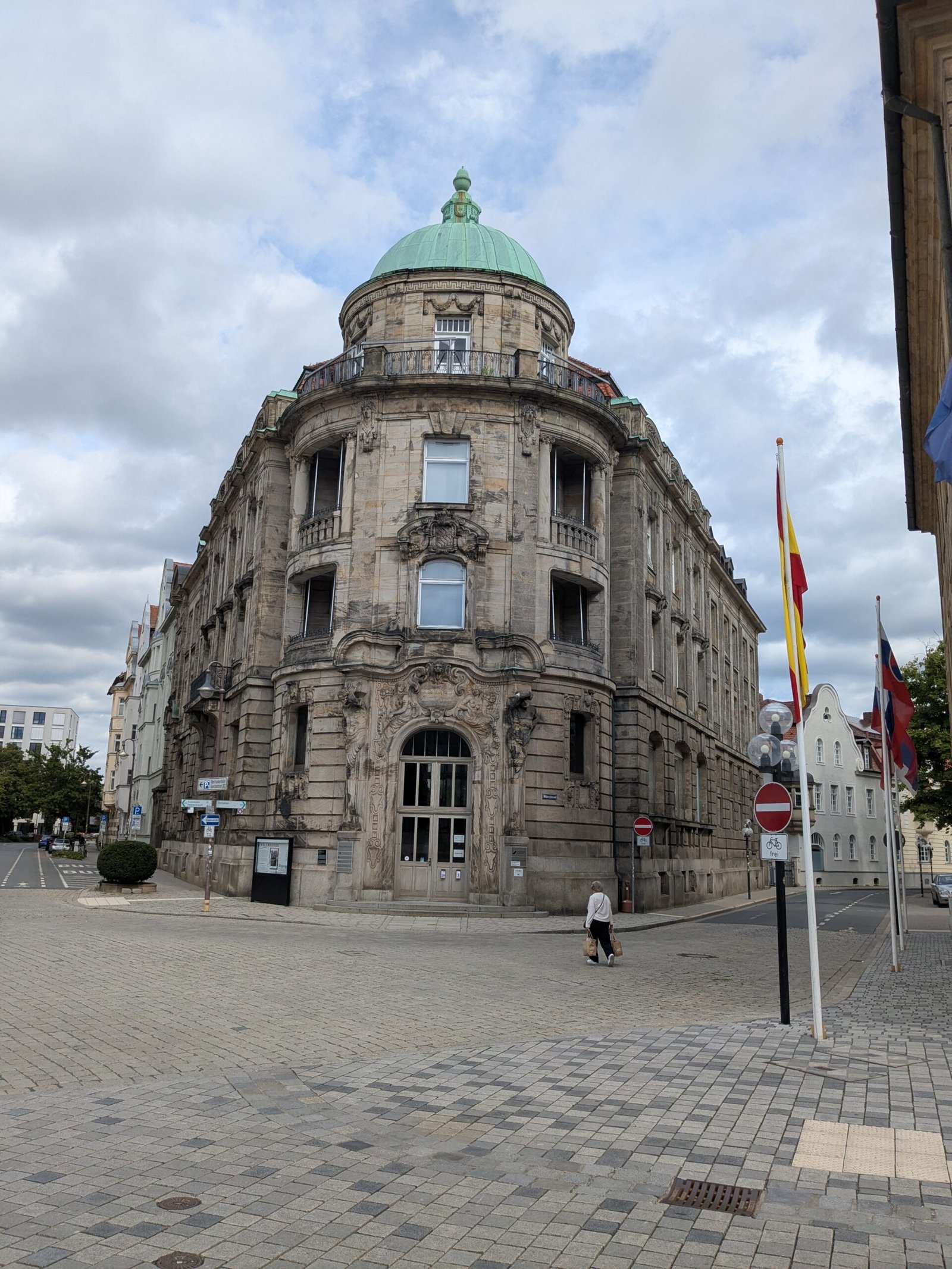
 Bayreuth is a city famous for opera and the legacy of Richard Wagner.
Like Verona in Italy or La Scala, Bayreuth attracts a global audience, but of a more unique and specialised variety.
We were part of an invited international group from Europe, Asia, the Middle East and the USA to review German tourism and explore music and culture.
First Impressions
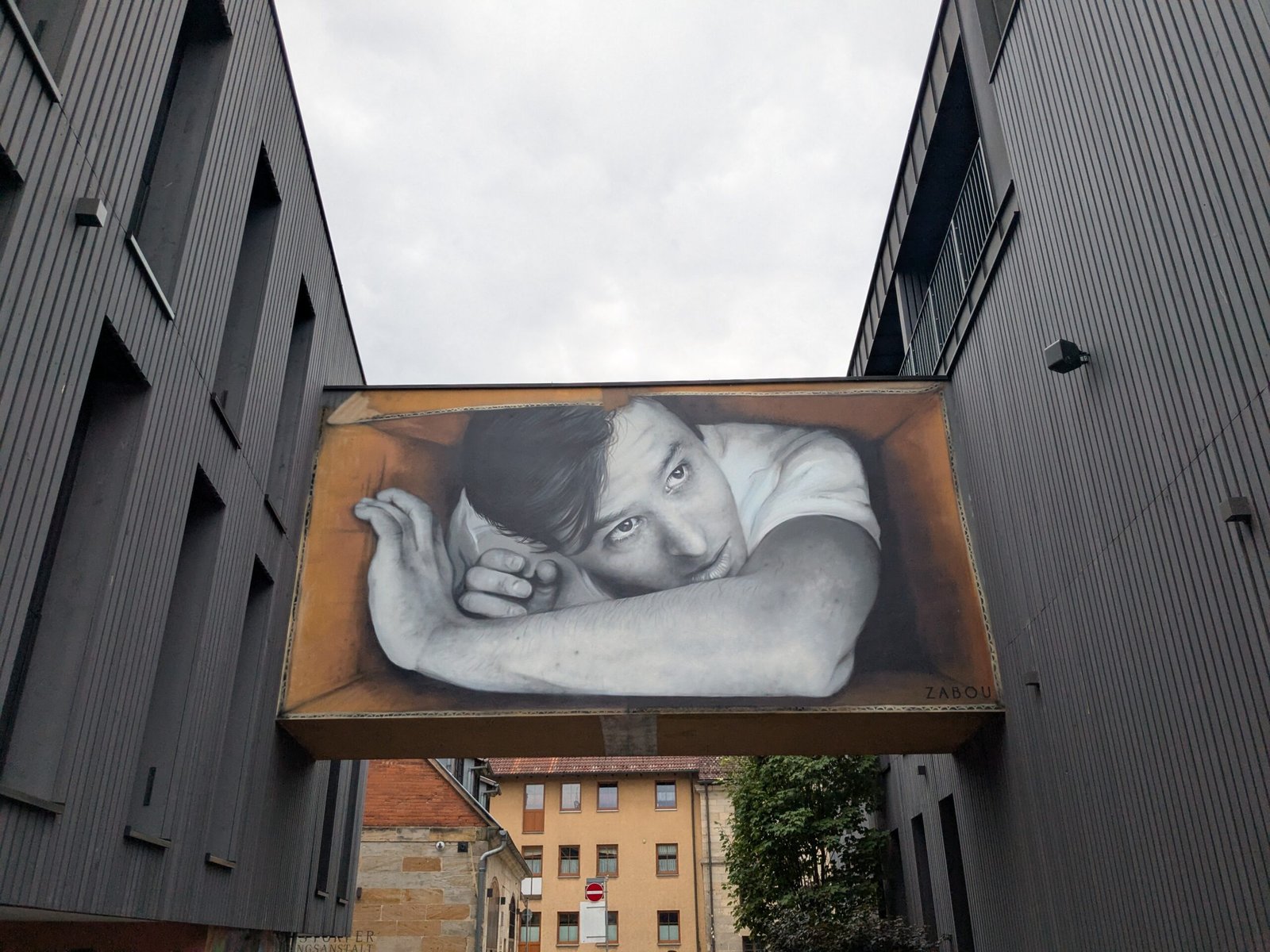
We were hosted in a fourth-generation family brewery that has expanded into the hotel business, combining hospitality with artistic street art across buildings and interiors.
It would be like commissioning artists from Waterford Walls to transform a modern hotel — and it works extremely well. Bayreuth itself has strong street art culture, often reflecting musical themes and opera characters, with some works sponsored by galleries from Munich.
This medium-sized city (population approx. 72,000) has a global reputation thanks to its dedicated Wagner opera house.
History & Wartime Legacy
Unlike Regensburg, Bayreuth suffered damage towards the end of World War II.
Wagner’s association with Adolf Hitler, who attended performances here, contributed to the city becoming a target.
Local accounts suggest fires during the Allied advance caused additional destruction beyond bombing. The region also had links to figures such as Rudolf Hess.
Today, Bayreuth openly acknowledges this past and has moved forward as a welcoming international cultural destination.
The Wagner Experience
Key highlights:
- Timber construction for superior acoustics
- Hidden orchestra pit
- Innovative stage mechanics
Performances can last up to six hours with intervals.
We toured backstage, saw the orchestra pit and learned how acoustics differ significantly from modern concrete theatres.
We also met performers and members of the press, including BBC critic Michael White, who discussed the Wagner family’s continued role in the festival.
Opera Culture & Atmosphere
Opera in Bayreuth is more than entertainment — it is a culture.
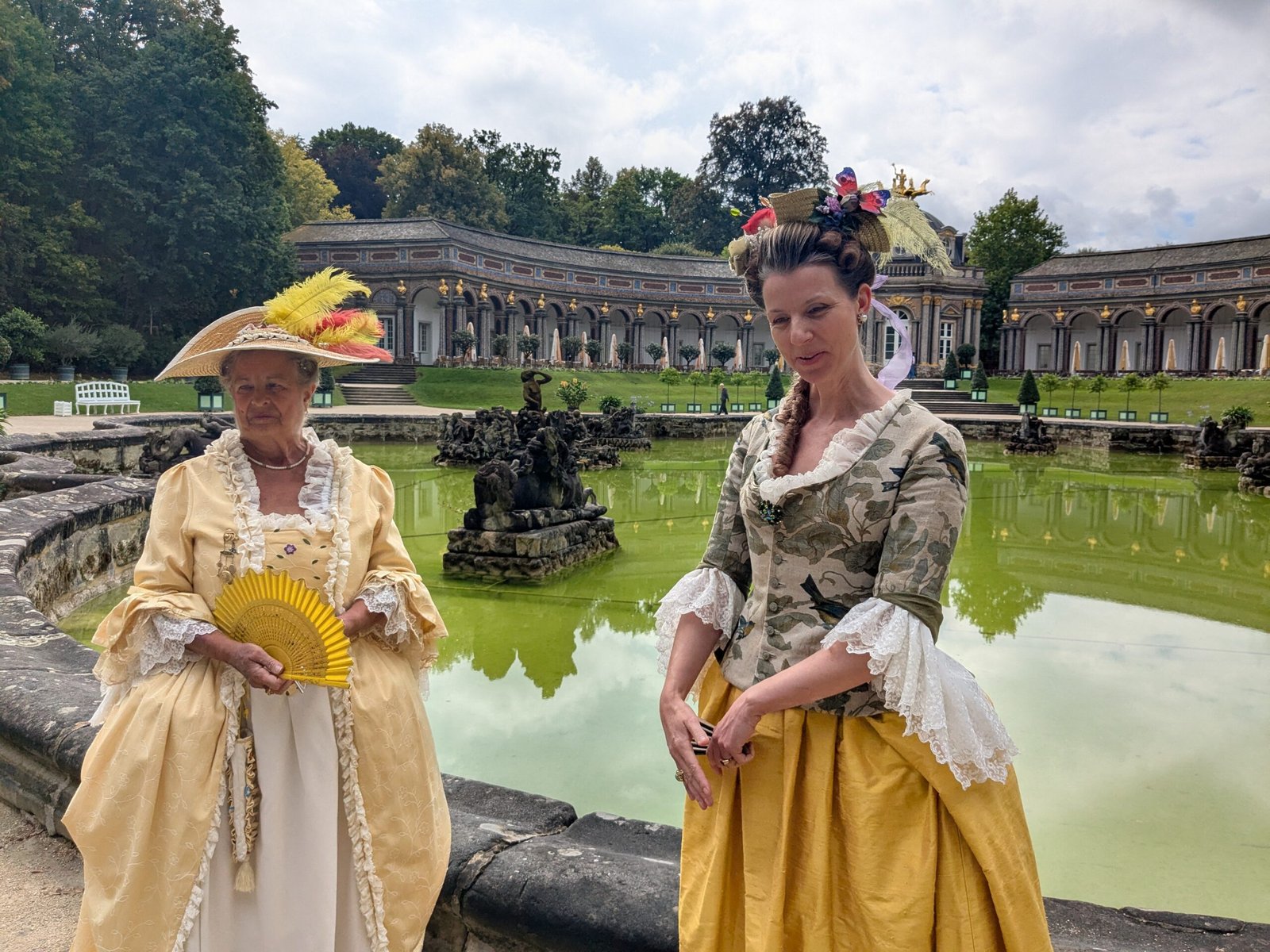
Visitors dress for the occasion, study the storylines in advance and fully immerse themselves in the experience.
Advice from performers:
- Read the opera storyline beforehand
- Listen to the music in advance (YouTube is useful)
- Language is not a barrier if prepared
The festival runs from late July to late August and sells out months in advance.
2026 marks the 150th anniversary of Wagner opera in Bayreuth — demand will be exceptionally high.
Around the City
Bayreuth is compact and easy to explore.
Highlights include:
- Street art across buildings
- A lively university presence
- Outdoor swimming parks accessible by bus
- Cultural festivals (we experienced an Italian-themed event)
Even an Irish connection exists at Dubliner Bayreuth, offering live music.
Food & Dining
The region offers exceptional cuisine.
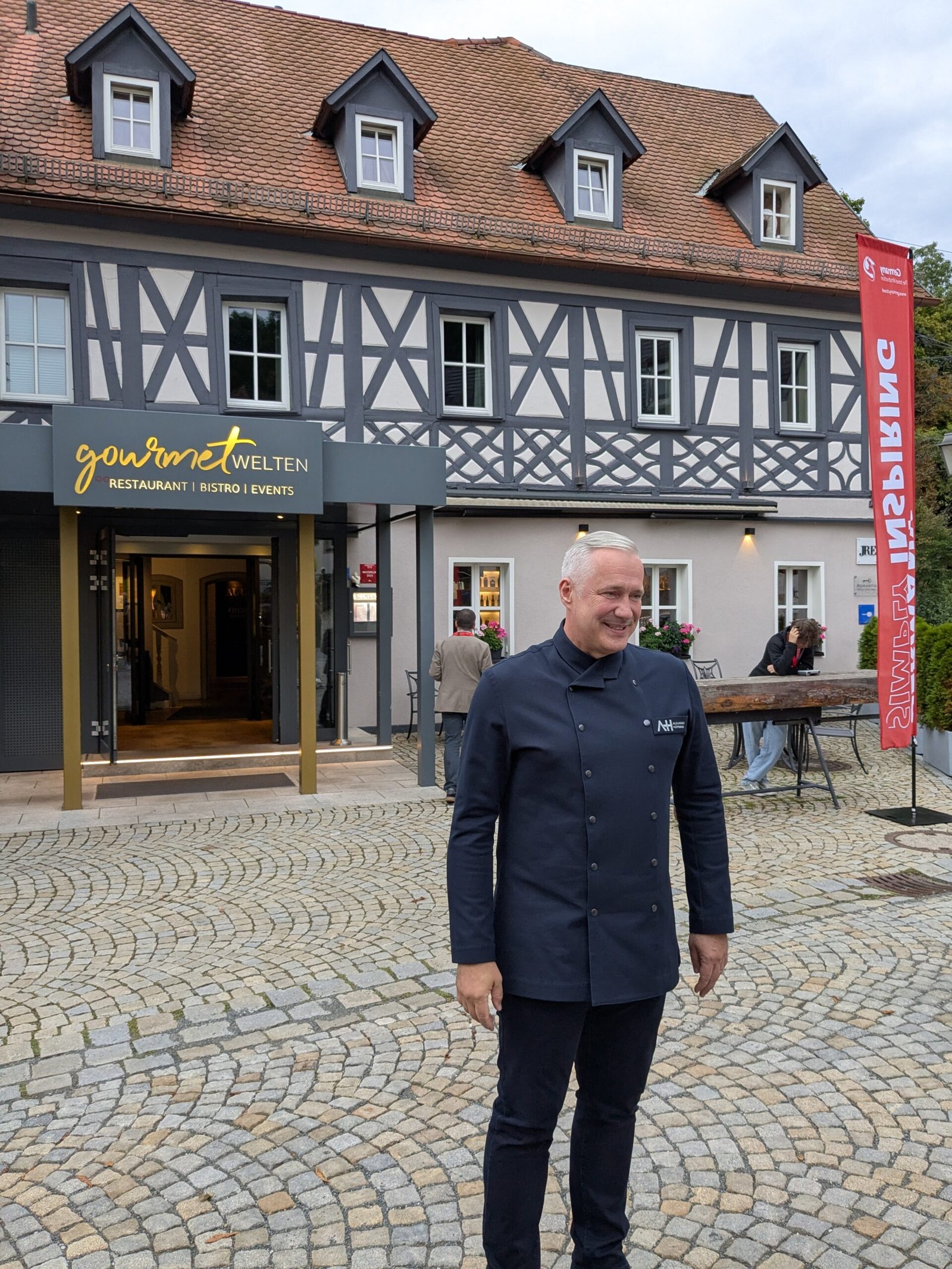
A standout experience was dining at:
- Posthotel Alexander Herrmann
- Led by Alexander Herrmann
Highlights:
- Two Michelin stars
- Multi-course dining experience
- Strong regional focus
The setting included live music and even service from the kitchen itself — a memorable experience.
Beer & Brewery Culture
Bayreuth has a deep brewing tradition, once home to over 200 breweries.
We stayed at:
- Liebesbier Hotel
- Part of Maisel Brewery
Owner Jeff Maisel explained the shift toward tourism and diversification.
Features include:
- Craft beers and IPA
- Brewery tours
- Growing non-alcoholic beer market
Nearby Nature & Region
The surrounding area, known as Franconian Switzerland, offers:
- Rolling hills
- Lakes such as Fichtelsee
- Scenic countryside
Where to Stay
Recommended:
Book early during festival season.
Getting There
Bayreuth is accessible via:
- Nuremberg
- Munich
Rail connections are efficient and reliable.
Day Trips / Nearby Places
Bayreuth works well within a wider Bavarian itinerary:
- Bamberg – historic old town
- Regensburg – medieval architecture
- Nuremberg – culture and history
- Rothenburg ob der Tauber – fairytale setting
You may also enjoy our Paris, Ljubljana, and Zagreb travel guides for similar cultural experiences.
Final Thoughts
Bayreuth is a cultural destination unlike any other.
It blends:
- World-class opera
- Deep history
- Modern creativity
- Excellent food and drink
For travellers seeking something different, it delivers a rich and memorable European experience.