Travel Stories

Europe, Travel Stories, United Kingdom

Dordrecht, Holland: A Hidden Gem Beyond Amsterdam

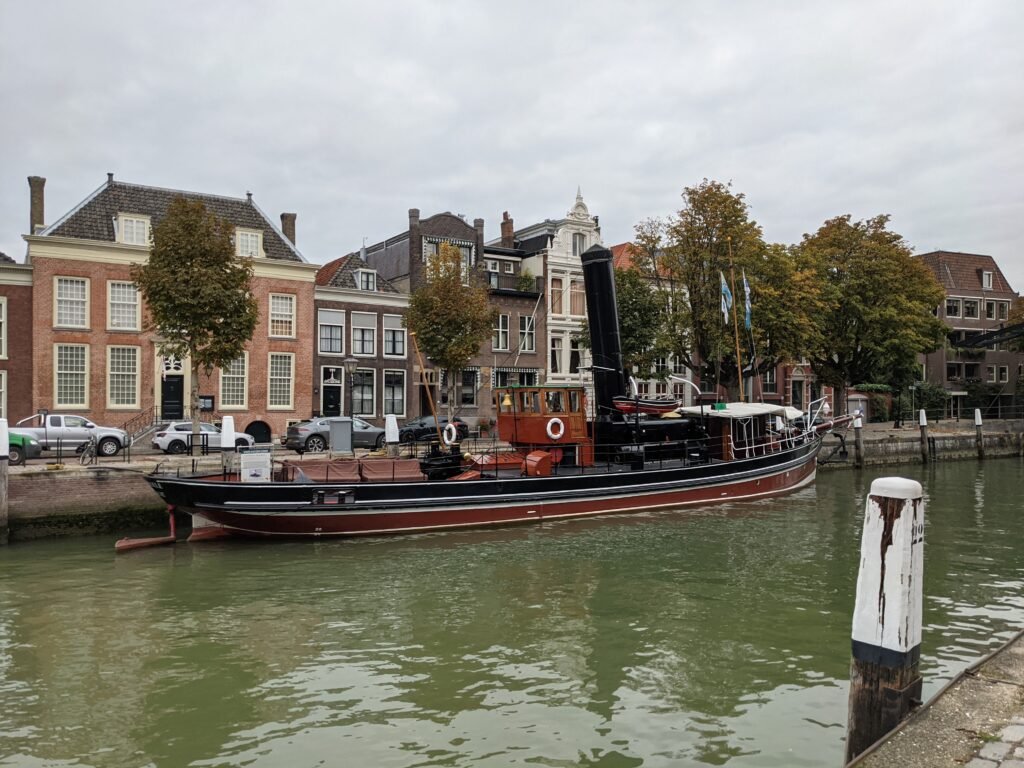
This is a beautiful and historic city, not far from Rotterdam, they claim it is the oldest city with a charter in Holland, so similarly. Little war damage despite being an important port in the past,but Rotterdam was heavily bombed. If you want to see a small version of Amsterdam with canals, history and art, then this is an alternative and lower in cost ,easy to do day trips from here and have a base too with lower hotel costs. First Impressions & Tours We started with a walking tour with Pauli, a native of South Africa, followed by a pleasant boat trip along the canals into the old port, where you can see major shipping traffic heading for the Rhine and Germany. We finished at the excellent Dordrecht museum. Waterford has made great progress in recent years with its tourism offering and Dordrecht has a great heritage also. Getting Around & City Layout There is an old town, which looks very prosperous and suburbs, arriving by train, it is about 15 minute walk to the old city, check out the tourism office for detailed maps, giving the complexity it can be better than Google maps, noted out tech savvy son, who lives in Holland. The town hall is very well restored and there is a great network of streets, where living in the old port and town is popular. This creates vibrancy, living over the shop is trendy here even if the rooms are smaller. Architecture & Heritage The building heritage is strong and has the 8th most preservation orders in all of the country. Some of the streets lean inwards and are kept up by steel wall anchors if renovations are undertaken. The old port is turned into a marina for pleasure boats and is also a trendy place to live now for locals or commuters to Rotterdam just 20kw away by train. See some heritage boats too in he harbour, an old warehouse or two that date back several hundred years , impressive churches and town walls also with their gates and coats of arms . Religion & Historical Change The city became Protestant after the reformation and the former St. Mary’s Catholic Cathedral became a Dutch Reformed Church, with all the statues taken out and paintings removed to be stored elsewhere. In other cities they were wantonly destroyed. This was in the early 1500s,after Martin Luther broke from the Catholic Church, many Dutch also followed his new religion, but less support for it in South Holland. Flooding & Survival The city would also lose out to Rotterdam from the 1700s after some great floods killed a huge number of citizens. Today they still worry about floods and our guide told us that she can move to the attic if the flood sea waters rise to a level of 4 metres more than normal and be safe for a while.in 1953 over 1850 died in a flood that affected all the country and a new Delta plan and defences built. Trade, Rivers & Economy Today you can see the great waterways of the links to the Rivers of the Maas and Rhine with cargo ships and barges going to Germany inland and towards the sea in the other direction. This was a great trading city back in the day and wine was big business, like in Waterford, they had links to France. They have named a wine street in the port, there the buildings still have old wine cellars and signs for a Bordeaux house. Important schools and churches are here too, some are converted now for modern use as religious belief falls. Local Life & Shopping Trends We also noted an emerging trend in Holland for pre loved things as part of an eco trend. Vintage fashion has become very popular, plus old furniture and furnishings, household items and vinyl records are making a big comeback with 3 stores selling vinyls on the main shopping street, said a shop owner to us. The city is nice and laid back with a good atmosphere. Art & Cultural Heritage We saw the famous burial place in the Augustine Church on Voorstraat of Aelbert Cuyp 1620-1691, world renowned artist from here, we would see his paintings later. The city was also the location for the Dordrecht conference to settle the breakaway land of Holland after a long Battle with Spain in the 1500s. The Spanish and Habsburgians would rule here, up to then. Later invaders would be the French and Napoleon after 1790 to 1815 and then the Nazis from 1940-45, so the city had its share of invaders. Boat Tours & Living Experience The excellent boat tour at ten euro a head is good value for an hour, no English on the loudspeaker tannoy, but was still nice in cool fine autumn weather. You get to see how people live over looking the canals and old port. Many of the houses are being renovated too as this is valuable real estate, although parking is a big challenge. The nearby port of Rotterdam has many jobs and Dordrecht is a pleasant place to live. Rotterdam suffered huge war damage 1940-45, but not Dordrecht, hence it is a magnet for tourists today. They had invaders then but also the French in 1800 to 1814 under Napoleon. Food & Dining The city has good places to eat also like the restaurant Magazijn on the main Voorstraat, great airy place with high ceilings and good ventilation, nice for fish and a variety of foods, served efficiently. No mask wearing except on trains. This is close to the Canal water bus stop. Markets & Local Atmosphere For local shoppers like in many Dutch towns there is a fish and food market, many immigrants and locals come here for good value and a chat with traders. Many interesting individually owner local shops also, it took a while to get used to not wearing masks in shops. There is an old mint nearby, where

Europe, France, Travel Stories, United Kingdom

Nantes Travel Guide: Culture, History & Irish Links

Nantes – A Cultural Magnet with Irish Connections Nantes, in northwest France, is fast becoming a standout city break destination — especially for Irish travellers. With year-round flights from Dublin via Ryanair and seasonal routes from Cork, access has never been easier. What makes Nantes even more special is its strong connection with Ireland, particularly Waterford. The nearby town of Saint-Herblain, twinned with Waterford, has fostered decades of cultural exchange. Over 7,000 visits have taken place in the past 25 years, building a deep relationship between the regions. For Irish visitors, Nantes and the wider Brittany/Loire area feel familiar — a shared Celtic heritage, coastal landscapes and a welcoming atmosphere make it easy to feel at home. Why Visit Nantes? Nantes is the largest city in the Pays de la Loire region and offers a perfect mix of culture, history, shopping and gastronomy. Tourism officials describe it as an ideal short city break destination, with two days enough to explore the city, combined with easy trips to the nearby coast. The city is also gaining recognition internationally. Time Magazine once described it as one of the most pleasant cities in France, while L’Express ranked it highly among young people for quality of life. A City of History & Heritage At the heart of Nantes stands the impressive Château des Ducs de Bretagne, surrounded by a wide moat. Now a city museum, it tells the story of Nantes’ maritime past, including its links with Ireland following the Penal Laws. The museum also explores the more difficult chapters of history, including the city’s involvement in the transatlantic slave trade. Nantes was once a major port for sugar imports from the Caribbean, which helped fuel industries such as biscuit production. Before Brittany became part of France, Nantes was its most important city — and many locals still identify strongly with Breton culture, including its distinctive music and traditions. Art, Culture & Creativity Nantes has reinvented itself as a creative hub. The Le Voyage à Nantes initiative blends art, culture and everyday life, with sculptures and installations placed throughout the city — along rivers, in parks and across public spaces. The city is home to more than a dozen museums, including the excellent Musée d’Arts de Nantes, which features works from the 13th century to modern times. Another highlight is the legacy of Jules Verne, author of Around the World in 80 Days, who was born in Nantes. A museum dedicated to his life and work is set to expand, further strengthening the city’s cultural offering. Walking, Shopping & City Life Nantes is a city best explored on foot. Wide plazas, riverside walks and elegant streets make it a pleasure to wander. Highlights include: Beautiful parks and green spaces Historic cathedrals and river views Open-air art installations across the city Shopping is another attraction. The iconic Galeries Lafayette Nantes offers high-end fashion, while the charming Passage Pommeraye — a 19th-century arcade — provides a unique shopping experience with its ornate architecture. Local Nantais sweets and chocolates are also worth bringing home. A Maritime City with Global Links Like Waterford, Nantes built its wealth through maritime trade. Its port connected France to the Caribbean, Canada and Africa, shaping the city’s economic and cultural development. The River Loire remains central to this story, flowing through a fertile region known for its vineyards and châteaux. While shipbuilding has moved downstream to Saint-Nazaire, Nantes continues to thrive as a modern cultural and economic centre. Final Thoughts Nantes is a city on the rise — creative, historic and welcoming. With strong Irish links, easy access and a rich mix of culture, food and heritage, it offers an ideal short break with the option to explore the wider Loire region and Atlantic coast. For travellers from Ireland, it is not just another French city — it is a place with familiar connections and new discoveries waiting.  

Europe, Travel Stories, United Kingdom

Beautiful Bath: A Timeless Georgian Gem in Somerset

There are some cities you visit… and others you experience. Bath in Somerset is firmly in the second category — one of England’s most elegant and walkable small cities, steeped in history, culture and Georgian charm. I hadn’t been in decades, so on a recent road journey to London, we made it our stopover — and it was the perfect choice. Getting to Bath If you’re travelling from Ireland, Bath makes a superb gateway to southern England. Sail with Stena Line from Rosslare to Fishguard (around 3 hours’ drive to Bath). Book early for fares from €200 with car. Irish Ferries operate to Pembroke — a slightly longer sailing but convenient for the A40 route. Combine your trip with stops at the Gower Peninsula, Margam Park, or Cardiff. Flying?Arrive via Bristol Airport, then take a 30-minute bus connection (approx. £11). Train links are also available from Fishguard via Swansea and Cardiff. A City of Honey-Coloured Stone Much of Bath’s stunning architecture dates from the 1700s and 1800s, when the city became a fashionable Georgian spa retreat. Its creamy sandstone terraces are instantly recognisable. The iconic Royal Crescent remains one of Britain’s finest examples of Georgian architecture — a sweeping curve of aristocratic townhouses that feels like stepping into a period drama. It brings to mind Georgian Dublin, when elegance and symmetry defined urban life. The Roman Legacy Bath’s story goes back much further than the Georgian era. The world-famous Roman Baths are among the best-preserved Roman sites in Europe. Built around the sacred spring of the goddess Sulis Minerva, they still flow today. Book tickets in advance — weekends are especially popular with London visitors and overseas travellers. Culture, Festivals & Fashion Bath is small but culturally mighty. It has a vibrant year-round calendar of festivals and events: Performances at the beautiful Theatre Royal Bath Comedy and music at Komedia Bath The annual Bath International Music Festival (May) Folk Festival (August) The renowned Christmas Market — one of Britain’s best Literary fans can explore the Jane Austen Centre, celebrating the author who lived here and immortalised Georgian society. Fashion also has deep roots in Bath. The dandy Beau Brummell once set trends here, and the city continues to celebrate style with fashion events and exhibitions. Museums & Attractions Beyond the Roman Baths and crescents, there’s plenty more: American Museum & Gardens – fascinating exhibitions (from Wild West themes to Prohibition-era Americana reminiscent of Boardwalk Empire) Fashion Museum Georgian gardens and walking trails Bath Spa and visitor centre Excellent independent shopping near the Abbey and Roman Baths Sports lovers will know Bath Rugby, who play at “The Rec,” while horse racing fans can visit Bath Racecourse on the edge of town. Food & Atmosphere Bath has a relaxed but refined food scene — from cosy pubs to contemporary dining spaces and art cafés. It feels lively yet intimate, with a friendly West Country charm. The city thrives on tourism and education (with three universities), while many professionals commute to London — just 90 minutes away by fast train. Where We Stayed We stayed at the Bay Tree House, a comfortable and central guest house with parking — a real bonus in Bath, where parking can be expensive and scarce. Rooms ranged from £75–£100 per night for two. Louise was a welcoming host, and despite our late booking (the city was nearly full), we were well looked after. Walking Bath Bring comfortable shoes — Bath is hilly, but wonderfully compact. Wandering its streets reveals hidden courtyards, artisan shops, bookshops and inviting cafés. The pale stone glows beautifully in the late afternoon sun — a photographer’s dream. A Perfect Stopover Whether you’re en route to London, planning a long weekend, or combining Wales and England in one road trip, Bath offers history, architecture, culture and relaxation in one elegant package. If travelling by ferry with a car, remember: Duty-free wine can be purchased on return Petrol is generally cheaper in Ireland, so fill up before sailing Sterling exchange rates currently favour euro travellers Bath is not just a stop on the map — it’s a step back into refined England, where Roman waters still flow and Georgian crescents curve with timeless grace. A truly beautiful city.

Europe, Travel Stories

Lošinj, Croatia – A Hidden Island Paradise in the Adriatic

Croatia may not be as widely known in Ireland as Spain or Portugal, but destinations such as Dubrovnik, Istria and the Dalmatian coast have grown in popularity in recent years. Yet beyond these headline spots lies a quieter gem — the island of Lošinj. We first visited Croatia in late 2019 for the Christmas markets in Zagreb. This time, after speaking with Croatian friends, we decided to explore somewhere less familiar — the Kvarner Gulf and the island of Lošinj. Getting There Flight frequency in September is lower than peak summer, with just two weekly direct services. We flew with Croatia Airlines direct to Zagreb, avoiding a London transfer. Zadar is another useful airport for island access, served by Croatia Airlines and Ryanair. Hiring a car significantly reduces travel time compared to public transport. We booked through CarTrawler and collected an Enterprise vehicle at Zagreb Airport. After a smooth pickup, we drove towards Rijeka via the tolled motorway. Rather than attempt the island journey in darkness, we wisely stopped overnight in Crikvenica, an old fishing port now popular with German, Austrian and Czech visitors. Excellent value was evident immediately — a beachfront hotel for €60 and a three-course dinner with drinks for €15. Journey to Lošinj The following morning we crossed to Krk Island, taking the ferry from Valbiska to Merag on Lošinj (around €20 with car, 25 minutes). From there, a scenic but winding drive with hairpin bends led us south to Mali Lošinj, the island’s main harbour town. The landscape is dramatic — rocky hills, pine forests and shimmering Adriatic waters. Tourism here is strong but not dominated by large package resorts. Visitors are mainly German, Austrian, Slovenian, Hungarian and Italian. Dolphins & Adriatic Sunsets One highlight was a 2.5-hour dolphin-watching tour off nearby Pag Island. We were fortunate to see ten dolphins surfacing near a fishing trawler. The operators work with marine foundations to identify and name dolphins, limiting viewing to 30 minutes to protect wildlife. That evening, we sailed aboard a restored 100-year-old cargo schooner. Although there was little wind, the sunset over Lošinj was spectacular. History & Maritime Heritage Lošinj’s harbour dates back to Roman times, with Venetian and Austro-Hungarian influences shaping its development. Grain warehouses and shipyards once dominated the port, and maritime activity continues today. A cultural highlight is the Museum of Apoxyomenos, dedicated to a remarkable Greek bronze statue discovered underwater by a Belgian diver. The statue, believed to have been destined for a Roman villa, lay hidden for centuries before careful restoration. Nearby Osor is another charming historic village with harbour views and outdoor sculptures. Where to Stay We stayed at Hotel Aurora, part of the Valamar group. The setting is peaceful, with buffet three-course meals for under €20 and evening outdoor music until 11pm. The atmosphere throughout the island is relaxed. Cafés typically close at midnight, and there is less of a pub culture compared to Ireland — more emphasis on dining terraces and marina cafés. Cycling, Beaches & Coastal Life A beautiful coastal cycle path runs from Mali Lošinj to Čikat through pine forest and along the sea. Bike hire costs under €10 for half a day. Electric bikes are popular for tackling the hills. Beaches are plentiful but often rocky rather than sandy. Many visitors purchase swimming shoes locally. Some designated FKK (naturist) beaches exist — part of a long-standing Central European tradition. Artisan stalls sell coral jewellery and local crafts. Fishing, olive growing and small-scale tourism remain key activities. Why Visit Lošinj? Lošinj feels like a European paradise — idyllic, safe and understated. It offers: Dolphin watching tours Historic harbour towns Scenic cycling routes Sunset boat trips Relaxed dining at reasonable prices Fewer crowds than Croatia’s headline islands While getting there requires effort, summer catamaran services also operate from Zadar. The best months to visit are May, June and September — sunny, warm and less intense than peak July–August heat. Final Thoughts Lošinj may not yet be widely known in Ireland, but it deserves attention. For travellers seeking crystal waters, maritime heritage and a slower pace — all within the EU — this Adriatic island is a superb alternative to long-haul destinations. A true hidden gem.  

Europe, Portugal, Travel Stories

Évora – Gateway to Alentejo and Eastern Portugal

Évora, a former royal city east of Lisbon, dates back to Roman times and remains one of Portugal’s most impressive historic destinations. With its magnificent cathedral, ancient walls and well-preserved public buildings, this UNESCO-listed city is both a transport hub and a cultural treasure. We travelled there via FlixBus from Lisbon Airport and Oriente Station, as a threatened rail strike disrupted our original plans. Even in late October, the weather was warm, with sunshine and only the occasional shower — ideal for exploring. A Walled City Steeped in History Évora’s old town has remained remarkably intact for centuries. Just five minutes from the bus station, you step straight into a beautifully preserved medieval city without the traffic pressures of a larger capital. On this second visit — having previously won a stay at the excellent Vila Galé Évora — we once again found it an ideal base. The hotel offers generous buffet breakfasts and dinners, an outdoor pool, spa facilities and an easy walk to both the bus station and the historic centre. Cathedral Views & Roman Legacy A highlight of this trip was climbing to the rooftop of Évora Cathedral, where sweeping views stretch across the Alentejo countryside. Nearby stands the striking Roman Temple of Évora, a reminder of the city’s Roman origins. Beneath parts of the old town, visitors can explore Roman artefacts and underground remains, offering insight into villa life, art and pottery from ancient times. The cathedral crypt also preserves the memory of prominent clergy, adding another layer to the city’s rich religious heritage. Parks, Explorers & Architecture The city park is well worth visiting, with resident peacocks roaming freely. A statue of the great Portuguese explorer Vasco da Gama stands proudly among plane trees that evoke Tuscany or Provence. Walking along the top of the city walls gives perspective on Évora’s strategic importance through the centuries. As you wander inland from Lisbon’s metropolitan buzz, it truly feels like stepping back in time. Wine, Food & Alentejo Flavours Wine tasting is a key part of any visit to the Alentejo region. We previously visited Cartuxa Winery, a former Benedictine monastery now operating under a charitable trust. Taxi transport is advisable. The region is dotted with prestigious estates producing reliable, full-bodied reds. Dining in Évora is excellent. One standout is Vinho e Noz, just outside the town walls. With décor reminiscent of an old wine cellar, it serves regional dishes such as wild boar, bone-in steak and oxtail rice. Booking is recommended, especially at weekends. Inside the walls, many reliable restaurants offer strong value. The book Évora à Mesa, available at the tourist office in the main square, provides a useful culinary guide. The area was once part of the old Jewish quarter, whose community was expelled during the Spanish Inquisition — another chapter in the city’s layered past. Day Trips from Évora Évora makes an excellent base for exploring eastern Portugal: Marvão – Hilltop fortress town with spectacular views. Estremoz – Known for marble and historic walking tours. Vila Viçosa – Centre of Portugal’s marble industry. Monsaraz – Whitewashed village overlooking the Guadiana River near the Spanish border. We travelled to Estremoz by bus, walking up to its castle (now a hotel) and exploring antique shops before enjoying coffee in a welcoming local bakery. Half-day wine tours are also available through Alentejo Viti Tours, typically costing around €80 per person including transport, guide and tastings. Getting There Évora has good rail connections to Lisbon, though buses (including FlixBus) are often more frequent and economical. The bus terminal is conveniently located close to the town centre and the Vila Galé hotel. Lisbon Airport offers direct flights to Dublin with Aer Lingus, Ryanair and TAP Air Portugal. Final Thoughts Évora offers history, gastronomy and relaxed exploration in equal measure. As the medieval royal capital of Portugal and now the heart of the Alentejo region, it combines Roman heritage, cathedral views, wine culture and rural tranquillity. For travellers seeking authenticity away from Lisbon’s crowds, Évora is worth several days of discovery. Bom Dia.

Europe, Germany, Travel Stories

Hamburg – A Lively Weekend of Culture, Food & History

Why Hamburg? Hamburg is Germany’s vibrant second city, offering a dynamic mix of rivers, an impressive harbour, rich cultural heritage, and a buzzing entertainment scene. While it’s not on the sea, the city makes up for it with waterways, historic architecture, and modern gastronomy — perfect for a weekend break. We were invited to try out the newly opened Bunker Reverb Hotel, part of the Hard Rock franchise — a striking modern hotel built over a World War II bunker. Its central location in the St. Pauli district, overlooking the football stadium, makes it ideal for short city breaks. Bunker Reverb Hotel – History Meets Modern Comfort The hotel sits atop a bunker built in 1942–43 as a gun emplacement to defend against RAF bombing raids. Constructed in 300 gruelling days by forced labourers — captured Russian soldiers and imprisoned dissidents — the site is now a poignant monument to the city’s anti-Nazi history. Today, the hotel offers aerial city views, a great breakfast, a three-course dinner menu, and live Latino music for diners. The rooftop garden provides panoramic views of Hamburg’s harbour and the Elbphilharmonie concert hall, which seats nearly 2,000. Harbour City & Speicherstadt Hamburg is a city of water. The harbour, combined with the Speicherstadt warehouse district, showcases red-brick and iron architecture converted into apartments, offices, and hotels. For a relaxed overview, a harbour cruise is ideal. Options range from €26–36, with discounts available using the Hamburg Card. Tours depart from Landungsbrücken and offer English-language guides. Hot days may make a river Alster cruise a more comfortable option. Culture, Museums & Miniature Worlds Hamburg offers a wide cultural palette: Miniatur Wunderland – the world’s largest model railway exhibition, located in Speicherstadt. Panoptikum Wax Museum – history and entertainment rolled into one. Walking Tours – Tomas, a local guide, traced the city’s Hanseatic roots, the Danish influence, and St. Pauli’s music history. The city’s trading and Protestant links with England shaped its mercantile wealth, and many historic merchant buildings have been lovingly restored after wartime bombing. Coffee, Cuisine & Fine Dining For coffee lovers, Elbgold offers world-class tasting experiences, highlighting fair trade co-ops in Kenya and top beans from Colombia, Ethiopia, Nicaragua, and Guatemala. Dining highlights: Bunker Reverb Hotel Sala Restaurant – booking advised. restaurant-nil.de, St. Pauli Square – 5-course menu €60, mains €20–30, with seafood, meats, and local dishes. St. Pauli offers a lively mix of bars, cafés, and music venues, while quieter areas like Lange Reihe near Motel One Alster provide local and Italian food options and pleasant riverside walks. Music, Nightlife & Beatles History St. Pauli is Hamburg’s entertainment heartbeat. It’s youthful, creative, and historically significant — the Beatles launched their German live music career here in 1960. The Grosse Freiheit 36 music hall and the nearby Indra club are must-visits for live music enthusiasts. Think Camden or Temple Bar, but with a uniquely German twist. Practical Information Getting There: Direct flights from Dublin via Ryanair and Aer Lingus; Lufthansa via Frankfurt. Transport: U-Bahn Feldstraße for St. Pauli; Baumwall for Elbphilharmonie. Accommodation: Bunker Reverb (central, historic); Motel One Alster (modern, 500-room hotel). Tips: Buy a Hamburg Card for transport, museum, and harbour cruise discounts. Final Thoughts Hamburg blends history, culture, gastronomy, and entertainment in a compact, walkable city. From WWII bunker stories to Beatles music tours, harbour cruises to gourmet coffee tastings, it is perfect for a weekend escape with history, culture, and modern city life all in one.    

Europe, Ireland, Travel Stories

Achill Island Travel Guide

Why Achill Island is the Perfect Staycation in the West of Ireland With overseas travel not always necessary, there has never been a better time to rediscover Ireland’s own remarkable islands. Off the coast of County Mayo, Achill Island offers dramatic scenery, Atlantic beaches, rich history and a slower pace of life — making it an ideal alternative to foreign travel. Achill Island came highly recommended by a family member last year, so a short visit was planned — just one overnight stay, but enough to get a feel for the place. My previous visit had been decades ago, as a student without a car, relying on lifts and Bus Éireann. This time, travelling independently made all the difference. Getting There: The Journey West The journey to Achill is long but rewarding. The quickest route is via Limerick and the Galway motorway, while another option is through the Midlands via Mullingar, linking Carlow’s M9, Tullamore and the M4 before heading towards Castlebar. For those who prefer extended motorway driving, this route works well. From Waterford, allow 4.5 to 5 hours, including breaks. The Limerick bypass is excellent, though the Tipp–Limerick section still feels outdated for modern traffic. With over 200 miles to cover, making full use of the motorways is advisable. First Impressions & Where We Stayed We stayed in Achill Sound, close to where the old railway once terminated and at the end of the Great Western Greenway. The area is lively, with plenty of cyclists taking advantage of the flat, scenic route. One of Achill’s biggest advantages is that it is accessible by car, allowing visitors to explore freely. There are numerous walking and hiking trails, outdoor dining options at pubs, and several casual diners — including a surprisingly good American-style diner.   Landscape, Trails & Local Life Mayo is famous for its bogland and hills, and Achill reflects this perfectly. Signage across the island is good, but a visit to the tourist office at Keel Bay is essential. The staff provide excellent maps and local insight, helping visitors plan walks and drives with confidence. Keel Bay itself boasts a fantastic sandy beach with shallow waters, ideal for families. One of the highlights of the trip was simply parking the car, swimming in the sea on a warm day, and looking back at the striking hills framing the bay. Nearby facilities include ample parking, a busy caravan park, house rentals, B&Bs, and water sports such as kayaking, surfing and even diving. Porpoises are occasionally spotted offshore. Keem Bay & the Atlantic Drive Further along Achill’s south coast lies Keem Bay, nestled between the towering Benmore Cliffs and Croghaun Mountain. Reached via the Atlantic Drive, the road surface is generally good, though narrow in places — meeting large camper vans can be challenging. Keem is also a starting point for walks leading towards some of Ireland’s highest sea cliffs, with limited road access beyond this point. Paths and boreens lead hikers further west towards Achill Head. Accommodation & Dining We checked into the Achill Island Hotel, offering exceptional value — around €50 per person, with a three-course dinner option for approximately €30. The traditional Irish breakfast alone sets you up for a full day of exploring. Family-run and welcoming, the hotel also offers bike hire, making it a convenient base. Autumn breaks are possible, particularly midweek, though summer months tend to book out quickly. Dining is hearty and traditional — roast lamb, salmon and wholesome Irish fare served in generous portions.   Walking, Cycling & Outdoor Activities Achill offers a wide range of mapped walks, catering to different fitness levels. Weather awareness is essential, as some routes are high and exposed. Good walking boots are strongly recommended due to boggy terrain, and paved routes may be preferable for casual walkers. Cycling routes are plentiful but challenging, given the island’s hills. Cyclists carrying camping gear may find some stretches demanding. Slievemore Deserted Village & History One of Achill’s most striking historical sites is the Slievemore Deserted Village, accessible via clear road signage. Dating back to the early medieval period, the village was deeply affected by the Great Famine of 1847. Many of the stone cottages — built without mortar — still stand, preserved as a powerful reminder of the past. Homes were often single-room dwellings, shared with animals during harsh winters, with doorways facing east to avoid Atlantic winds. Nearby are megalithic tombs, a holy well, and a graveyard still used by families whose ancestors relocated nearby after the famine years. Culture, Literature & Emigration Mayo has a profound history of emigration to cities such as London, Manchester, Leeds, and across the Atlantic to New York, Boston and New England. Achill’s story is deeply connected to this diaspora. The island later gained attention through artists such as Paul Henry and Jack B. Yeats, whose landscapes captured its raw beauty. Writers, including Heinrich Böll, lived and worked on Achill, helping introduce Ireland to German tourists. Böll stayed near Dugort Beach, where a welcoming beachfront bar and restaurant can still be found. Achill also features a literary heritage trail and hosts cultural events, including writers’ weekends and walking festivals. Shopping, Food & Local Produce Highlights include: Achill Sea Salt, including seaweed blends Achill Island Distillery, offering tours and tastings near Bunacurry Craft shops selling wool jumpers, pottery, art and souvenirs Local galleries (time permitting) Nearby Stops & Practical Tips Newport makes a good stop for supplies, with SuperValu and Mace well stocked Westport is the main regional hub, known for its architecture and Westport House The Great Western Greenway attracts large numbers of walkers and cyclists Achill has a scenic 9-hole golf course at Keel Public transport is possible via train to Westport and onward bus connections, though travel time is long. Final Thoughts Achill Island combines natural beauty, deep history, outdoor adventure and genuine Irish hospitality. Whether staying for a night or a week, it offers a refreshing reminder that some of the best travel experiences are right on our

Europe, Italy, Travel Stories

Bologna

We recently had a vacation in the Renaissance city of Bologna. Places like Florence and Venice get huge number of visitors but we found Bolognaa pleasant surprise that is not over run with visitors. Bologna is the oldest university city in Italy and the university there still has a great tradition. Bologna was also part of the Papal States, prior to the unification of Italy, the city has many outstanding churches and Cathedrals. We also found the architecture and amazing Renaissance streets and retail shops within magnificent porticos. Food & Culinary Highlights Food is also a great attraction. Spaghetti Bolognese comes from there and lasagna, so there are also great culinary delights. The markets were brilliant, fruit and vegetables, SIMONI pork butchers’ displays, pasta makers at work, local wines and crafts.  The food is mainly from the Emilia Romagna region as are the wines. Lambrusco is a local grape, and this is also used in vintage balsamic vinegar that can be matured in old oak barrels. Nearby Modena is the home of balsamic vinegar and is worth a visit too. Find Via Castiglione for the pasta displays, “Gnocchi” is worth checking out and tortellini, a popular Christmas dish. Artichokes and chicory were recommended as good for the liver and served in salads. Great clothing shops too for Italian design with many luxury designers. History, Culture & Architecture Bologna tourism office organise daily tours in English at 11am for two hours, and the guide covered much ground, although not a native she had great historical knowledge of the city from the Roman times, to the middle ages, the many churches built by various religious orders. Also played a leading role in Italian and European education. The model of the university started in Bologna and would by a forerunner ofmany other great universities from the UK, Cambridge and Oxford to France, Germany and across Europe, Trinity in Dublin would be our oldest one on this island dating to the 1ate 1500s. Many ages of history are here, from the Roman times to early Christian and Renaissance to the current times. It was saved devastation in world war two in the old city, but industrial suburbs were heavily hit and the railways. We visited many churches, one had soldiers outside due to one of the images having an image in relation to Muslims that proved controversial today. WE liked most of all the amazing restored porticos where streets have the upper floors over the footpaths for residents and the lower passage if for pedestrians keeping out the sun and rain depending on the season. lovely shop displays with low key logos including McDonalds and other international brands. They were built from the 1500s and continued the structured style up to the early 1900s and are really fabulous. The pedestrianized areas are enlarged at the weekends, The starting point for the tour is at Piazza Maggiore at Bologna Welcome Tourism office, close to the main square, Piazza Maggiore and the statue of Neptune, where a controversy arose over the male parts and a conservative clergyman, but is sill there. San Petronio is the famous cathedral that took a generation but had to be cut short before it became bigger than St. Peters in Rome. Nearby a fine old building converted to a library and a place for civic weddings of which there are many. Transport & Getting Around Bologna can be reached with Ryanair from Dublin, brilliant mono rail to the main square over ground that cost a lot to build but the 12 euro plus fare gets you there in less than 10 minutes. What a dream to have such an overground rail from Dublin Airport to Heuston or Connolly stations. Bologna is a true transport hub, with links to Rome and Munich Germany, Milan and Switzerland and is in large valley so great road connections too.We drove to Florence and Siena afterwards that is not for the faint hearted.Italian drivers have a certain hurried style where they drive close to the next car, an unpleasant habit, but as were told they dislike driving and would rather be at their destination drinking having more time for a coffee. Bologna was on the Roman road north, we would later go by train to Munich via Verona, Trento, Brenner Pass and Innsbruck.Bologna is the largest Italian train station after Milan and is a huge transport hub. 70 euro train from Bologna to Munich. University Life & Local Vibe However in Bologna city the vibe was good notably in the university area, where we queued with students for ice cream in Via Mascarella,at the Cremeria Mascarella and the nearby pub Ortical for craft beers and organic wines. The university was also famous for its early medical school that attracted medical students from around the world. Dante came here as did Erasmus from Rotterdam, Holland, thus Bologna has had an international reputation for centuries in many fields from medicine to literature and philosophy. back in the old days students could choose their professor, who they wished to study under. Hospitals here have been linked to the university in medical research for a long time. Engineering is another great skill here and the industrial region here boasts many famous car brand names like Lamborghini,Ferrari, Bugati and Masserati. During the period we were there, the Emilia Romagna grand prix was held here. The Red City The rich has rich stone work from marble coming from Verona and the Aline region and sandstone terra cotta, giving a dark red image, Bologna is known as the red city, also politically, it is left also and we noted on the Ring Road Stalingrad road and Marx roads too. The city has a long history, not as much as Rome or Napoli, but in its heyday was bigger than Paris or London in the middle ages and Renaissance periods. Great gardens too and flea markets nearby at Piazza Agosto Montagnola.. Dining Recommendations Visitors will not be disappointed, do book accommodation early as

Europe, France, Travel Stories

Lyon City: History, Food & Culture

France’s Historic Second City and Gourmet Capital Lyon is the number two city of France and on a recent visit to France proved was a revelation. It has many interesting sights to see, great food / gastronomy, magnificent buildings, massive rivers in a city that will not disappoint. Lyon dates back to the Roman and early Christian period. Situated on two major rivers, the Rhone and the Saone, if you remember from your school geography lessons. Today it is a bustling thriving city of 1.5 million people, much the size of Dublin but with many lessons for here. Lyon is an excellent stop over between Paris and the North, a half way point to the south and its sunnier climes of the Riviera. We were heading south on a brief road trip in the past, but never made the city centre. Old Lyon or “Vieux Lyon” was a revelation. A friend from Lyon but based in Waterford, Laurent, gave me some useful tips in advance. He said focus on the old parts but also check out the modern side and its great culinary heritage. We were there in 2024 and suggest it for 2026. Getting There & Around Lyon is well served with transport but the airport is far out of town. Some helpful locals at the airport explained the best way to the city via local bus to tram way and then onto the city centre via lines to the main station. A local Moroccan working as a building engineer made sure we made the right connections and was most obliging as we made tracks for our city centre hotel near the main Perrache station. Across the main river Saone, a tram link on the other side proved useful to visit the local market, Les Halles, where good fresh food awaited. Old Lyon – Vieux Lyon It was then onto “Vieux Lyon” on what was becoming a nice sunny day. A chat and snack saw some more options. Bellecour is a fine place to start too with its wide open square and main focus for shopping, where the FNAC shop overlooks the square. There is a great impression of the city’s prestige and wealth here, tourism office close by and various downtown hotels. It is a 15-minute walk or short tram ride. Paris looks splendid but Lyon gives it a strong impression too with facelifts and regeneration. Old Lyon attracts many tourists but is not overbearing in June, early in the tourist season. See the Iris Galerie, art on eyes and health. A miniature is also an attraction, many interesting points near Place de la Basoche. We sat on an open square under the Jean Baptiste sculpture and took it all in, as it faced the main cathedral of the same name. The fountain had flowing water and a local guy just dashed along to cool off from the water, provoking conversation with nearby locals as he made a bow for his genuine effort, offering a welcome smile and bow (Metro Vieux Lyon). It was a nice introduction again to this impressive city. Along the streets of Vieux Lyon, browsing interesting shops and restaurants, thus finding possibilities for the next day. Guided Tours & Architecture The local tourist office has city tours at 10am daily, given by Laurence. She had great knowledge of the Roman origins and can show you, walking through the city, the incredible Lyon architecture and restoration of older buildings to make them now a tourist attraction with expert guidance. Various tax incentives and local supports encouraged this process. We need to send some Irish urban planners here and see good practice. The quality was superior to our standards but they had great heritage buildings to restore. Local stonemasons and builders have great expertise in this work, restoring residences of four to five storeys high in multi-apartment dwellings over shops and inner courtyards. The thick walls are great in summer heat with shuttered windows. There are apps for such tours also and puzzles. Rivers, Hills & Views The river walks are splendid and give a sense of importance to these great rivers. Other tips from locals are on the edge of the city’s hills or “Colline de Fourvière”. The Esplanade de Fourvière is very impressive. We were recommended to see the river and try some of the boat tours, the food market Les Halles, and the bouchon restaurant area near Bellecour. Bellecour is a fabulous square in the centre of the city, a great meeting place and also the location for the main tourist office. Near access to the rivers of Saone and Rhone and the great bridges, we were recommended to visit an amazing hotel transformed from its previous existence as a hospital. Fabulous job and open to the public for drinks and outdoor dining in the courtyard. This is now known as the Grand Hôtel-Dieu. Locals love it as they remember it from the hospital era. Silk, Fashion & Workers’ History Lyon as a city has tremendous heritage and fashion is another one. It was known as the French city of silk, a prize won by the Sun King Louis XIV as they battled with the Venetians and Italians over trade openings. Venice gave its silk secret to Lyon as part of a deal. Croix Rousse is the area for silk and an old silk artisan building is still operational for visitors to watch and buy silk. Some small artisans still use it but most production is now in Asia. Lyon still has a sense of style but also a cosmopolitan flavour with many nationalities, some from former colonies in Africa and the Caribbean. In the 1830s there were riots and deaths as workers rebelled over wage regulation reductions, with police opening fire on strikers. Over a hundred died. They were called the Canuts and the story is explained at Maison des Canuts at Croix Rousse Metro, about 300 metres from the station. Music, Bars & Nightlife Vieux Lyon is a good location

Europe, Ireland, Travel Stories

Visit Sligo

Surf, Yeats, Coastline & Culture in Ireland’s Northwest We recently ventured to the northwest. Having visited Carrick-on-Shannon, we went a little further to reach the port town of Sligo. We recall the days of the great Blues team and some tussles with Sligo Rovers. Yeats’ poetry is another common link, as is surfing for Tramore people and golf. Like Waterford, Sligo has a fine coastline — not as large — but also beautiful mountain scenery and remarkable megalithic sites, from dolmens to cairns and standing stones. It is easy to spend a few days here without having to drive too far, as activities are varied and close at hand. Sea, Surf & the Atlantic Coast Tramore surfers know Easkey and Strandhill beaches well and have competed there in national competitions. We met people from local surf schools and know the Moore and Moran surfing families, some of whom have spent time here as surf teachers or competitors. Allow around two hours for surfing, including preparation, lessons, and wetsuit changing. Adult group lessons cost approximately €50 per person, with a minimum of three people per group. See StrandhillSurfSchool.com. Mammy Johnston’s ice cream in Strandhill is excellent. However, this is not a safe place for swimming — it is best suited to surfing. We also noted a good menu at the Strand Bar and Restaurant. Another popular attraction is the seaweed baths, where you can enjoy VOYA skin treatments. Swimming is best at Rosses Point beaches and around the pier area near the Sligo Yacht Club. After your swim, try the hot sauna option — €15 for 45 minutes, including a plunge pool — which was busy even midweek. Swimmers can also try the nearby beach, which has soft, dark sand. It was a little blustery on the day, but there is ample parking. The Sligo Metal Man is also located here near the Yacht Club, guarding the shipping channel into Sligo Port. It was built at the same time as the Tramore Metal Man by Lloyd’s of London, though this one stands directly in the sea rather than on a pillar. Rosses Point is also famous for golf. We hear Strandhill also offers good golfing, though it is a challenging links course. Where to Stay Sligo has a good selection of hotels. We stayed at the recommended Sligo Park Hotel in the suburbs. If you prefer a more central location, the Glasshouse Hotel is another option. The Sligo Park Hotel also boasts a fine restaurant. Food, Cafés & Local Dining Other dining options in town include “The Restaurant”, “Hargadon”, and “Osta”. Try real Italian ice cream at Fabio’s near the post office, and visit Lyons Café Bakery. Dining and pubs often feature jazz and live music programmes. Music, Heritage & Local History The famous Sligo fiddler Michael Coleman was based in New York and was one of the first to record Irish music on vinyl. A tribute to him is housed in the town museum, and the Michael Coleman Cultural Centre is located outside the town. The museum also displays the mayoral chain, following changes to Sligo City Council status under Minister Phil Hogan. There are photos of soccer player Dixie Dean at Sligo Rovers, an FAI League pennant from 1937, and many fine historical images from social and revolutionary periods. The Hawks Well Theatre hosts shows and films. Visit the City Museum on the Mall and the Model Gallery, where we saw excellent Yeats-related exhibitions. Another famous Sligo figure is Countess Markievicz, Irish revolutionary and namesake of the local GAA ground. She grew up at nearby Lissadell House, which is open to the public during the summer months. Lough Gill & the Yeats Landscape On this visit, we skipped the Yeats poetry trail due to fine weather and instead took a boat tour on Lough Gill, operated by the McGoldrick family. This is good value, and the guided commentary explains much about the lake, including readings from Yeats’ poems such as The Isle of Innisfree, which also lends its name to the comfortable, covered boat. The Fiddler of Dooney was another Yeats poem quoted during the tour. Lough Gill is remarkably unspoiled and provides drinking water for both Sligo and Leitrim. An American whiskey investor, Sazerac, has taken over a local distillery producing the Garavogue brand at Hawks Rock Distillery. Hazelwood House is to be restored as part of expansion plans, including a new visitor centre near the lake. There is plenty of wildlife around the lake, and some fishing boats are tied up by locals for leisure use. Doorly Park, where the boat departs, is close to town and includes a lovely community café at the old gate lodge. For Yeats enthusiasts, guided tours from the town centre are recommended. Local experts from the Yeats Society are available, including journalist Susan O’Keeffe, a director of the society. A local bank in town also displays Yeats memorabilia. Art, Trails & Landscape After the Lough Gill boat tour, we visited the Jack Yeats exhibition at the Model Gallery, where 20 original paintings from the Niland Collection are on display until late November. Entry is free. There is also a map outlining the Yeats Trail, with five points around Lough Gill, forest areas, and coastal locations. We missed sites such as the Kesh Caves, Knocknarea (Queen Maeve’s Cairn), and Benbulben Mountain, which are all listed on the trail. See: Yeatstrail.ie Roseofinnisfree.com (boat tours, tel. 087 259 8869) Sligowalks.ie for the Queen Maeve Trail near Strandhill Queen Maeve is a fascinating historical figure, reputedly married several times. The Green Fort of Sligo traces the story of the Jacobite Wars of 1690. There is also the Diarmuid and Gráinne Lovers’ Cave, later used as an IRA hideout during the Troubles. Jack Yeats’ paintings in the Model Gallery depict scenes such as horse racing on the strand, the funeral of Harry Boland, political meetings in the west over a 100 years ago, and local scenery. Getting There Trains and buses operate from Dublin Connolly

Scroll to Top