
Germany

Europe, Germany, Travel Stories

Dordrecht, Holland: A Hidden Gem Beyond Amsterdam

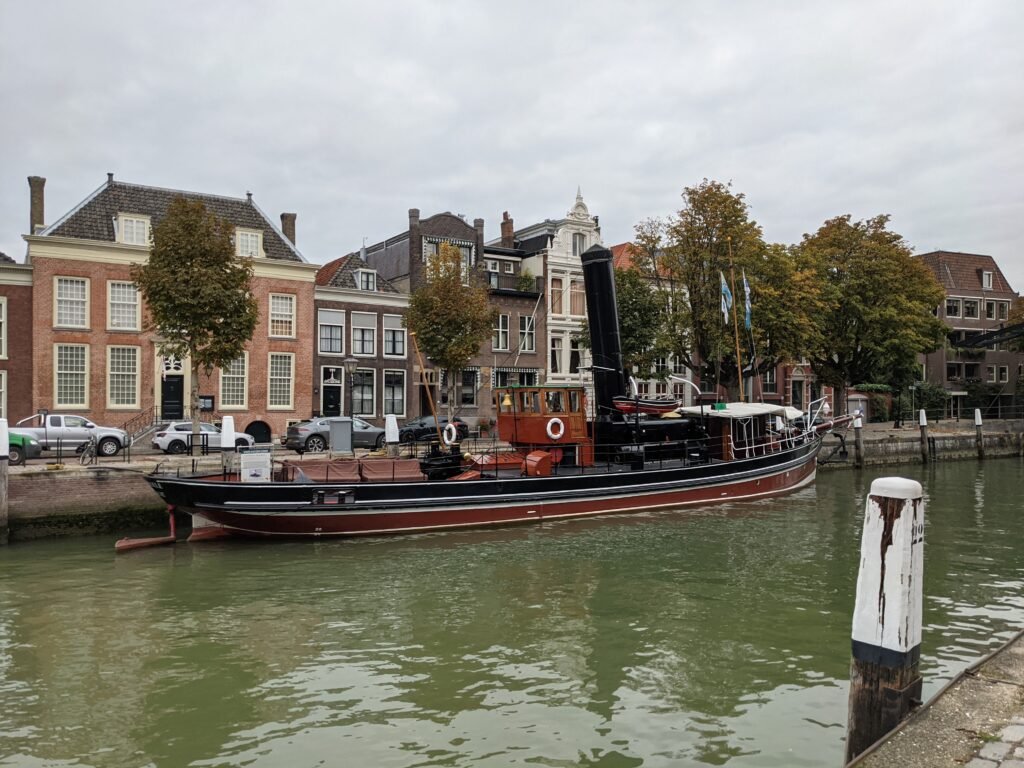
This is a beautiful and historic city, not far from Rotterdam, they claim it is the oldest city with a charter in Holland, so similarly. Little war damage despite being an important port in the past,but Rotterdam was heavily bombed. If you want to see a small version of Amsterdam with canals, history and art, then this is an alternative and lower in cost ,easy to do day trips from here and have a base too with lower hotel costs. First Impressions & Tours We started with a walking tour with Pauli, a native of South Africa, followed by a pleasant boat trip along the canals into the old port, where you can see major shipping traffic heading for the Rhine and Germany. We finished at the excellent Dordrecht museum. Waterford has made great progress in recent years with its tourism offering and Dordrecht has a great heritage also. Getting Around & City Layout There is an old town, which looks very prosperous and suburbs, arriving by train, it is about 15 minute walk to the old city, check out the tourism office for detailed maps, giving the complexity it can be better than Google maps, noted out tech savvy son, who lives in Holland. The town hall is very well restored and there is a great network of streets, where living in the old port and town is popular. This creates vibrancy, living over the shop is trendy here even if the rooms are smaller. Architecture & Heritage The building heritage is strong and has the 8th most preservation orders in all of the country. Some of the streets lean inwards and are kept up by steel wall anchors if renovations are undertaken. The old port is turned into a marina for pleasure boats and is also a trendy place to live now for locals or commuters to Rotterdam just 20kw away by train. See some heritage boats too in he harbour, an old warehouse or two that date back several hundred years , impressive churches and town walls also with their gates and coats of arms . Religion & Historical Change The city became Protestant after the reformation and the former St. Mary’s Catholic Cathedral became a Dutch Reformed Church, with all the statues taken out and paintings removed to be stored elsewhere. In other cities they were wantonly destroyed. This was in the early 1500s,after Martin Luther broke from the Catholic Church, many Dutch also followed his new religion, but less support for it in South Holland. Flooding & Survival The city would also lose out to Rotterdam from the 1700s after some great floods killed a huge number of citizens. Today they still worry about floods and our guide told us that she can move to the attic if the flood sea waters rise to a level of 4 metres more than normal and be safe for a while.in 1953 over 1850 died in a flood that affected all the country and a new Delta plan and defences built. Trade, Rivers & Economy Today you can see the great waterways of the links to the Rivers of the Maas and Rhine with cargo ships and barges going to Germany inland and towards the sea in the other direction. This was a great trading city back in the day and wine was big business, like in Waterford, they had links to France. They have named a wine street in the port, there the buildings still have old wine cellars and signs for a Bordeaux house. Important schools and churches are here too, some are converted now for modern use as religious belief falls. Local Life & Shopping Trends We also noted an emerging trend in Holland for pre loved things as part of an eco trend. Vintage fashion has become very popular, plus old furniture and furnishings, household items and vinyl records are making a big comeback with 3 stores selling vinyls on the main shopping street, said a shop owner to us. The city is nice and laid back with a good atmosphere. Art & Cultural Heritage We saw the famous burial place in the Augustine Church on Voorstraat of Aelbert Cuyp 1620-1691, world renowned artist from here, we would see his paintings later. The city was also the location for the Dordrecht conference to settle the breakaway land of Holland after a long Battle with Spain in the 1500s. The Spanish and Habsburgians would rule here, up to then. Later invaders would be the French and Napoleon after 1790 to 1815 and then the Nazis from 1940-45, so the city had its share of invaders. Boat Tours & Living Experience The excellent boat tour at ten euro a head is good value for an hour, no English on the loudspeaker tannoy, but was still nice in cool fine autumn weather. You get to see how people live over looking the canals and old port. Many of the houses are being renovated too as this is valuable real estate, although parking is a big challenge. The nearby port of Rotterdam has many jobs and Dordrecht is a pleasant place to live. Rotterdam suffered huge war damage 1940-45, but not Dordrecht, hence it is a magnet for tourists today. They had invaders then but also the French in 1800 to 1814 under Napoleon. Food & Dining The city has good places to eat also like the restaurant Magazijn on the main Voorstraat, great airy place with high ceilings and good ventilation, nice for fish and a variety of foods, served efficiently. No mask wearing except on trains. This is close to the Canal water bus stop. Markets & Local Atmosphere For local shoppers like in many Dutch towns there is a fish and food market, many immigrants and locals come here for good value and a chat with traders. Many interesting individually owner local shops also, it took a while to get used to not wearing masks in shops. There is an old mint nearby, where
Europe, Germany

Bayreuth 2026: Germany’s Opera City You Must Visit

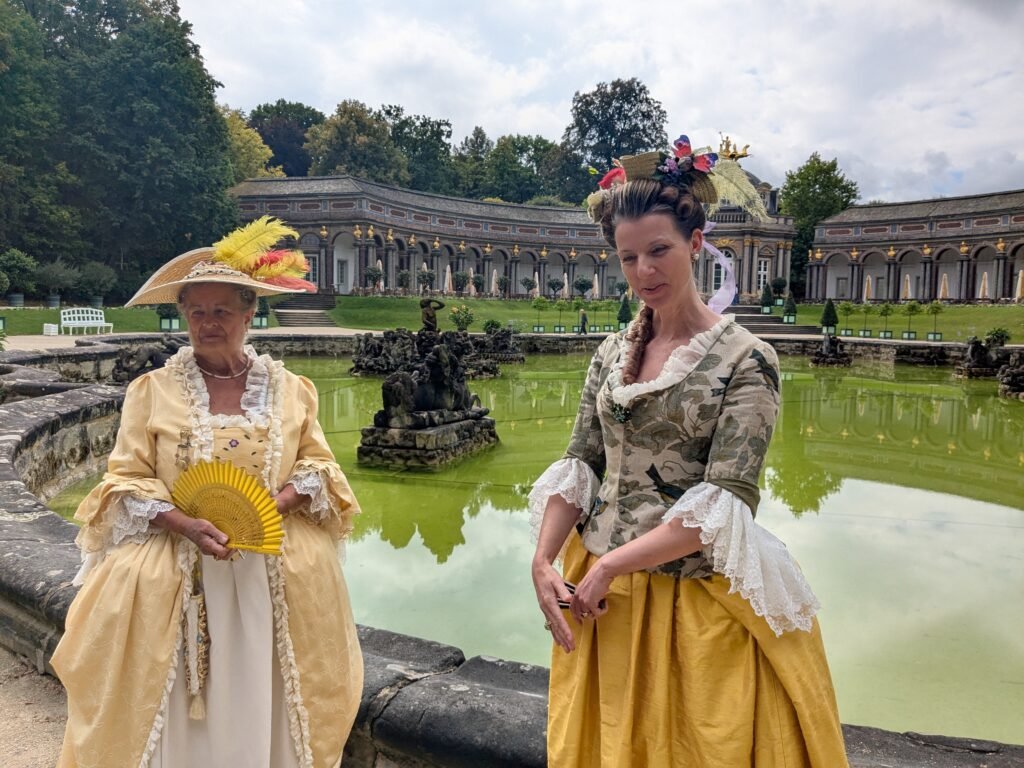
Bayreuth is a city famous for opera and the legacy of Richard Wagner. Like Verona in Italy or La Scala, Bayreuth attracts a global audience, but of a more unique and specialised variety. We were part of an invited international group from Europe, Asia, the Middle East and the USA to review German tourism and explore music and culture. First Impressions We were hosted in a fourth-generation family brewery that has expanded into the hotel business, combining hospitality with artistic street art across buildings and interiors. It would be like commissioning artists from Waterford Walls to transform a modern hotel — and it works extremely well. Bayreuth itself has strong street art culture, often reflecting musical themes and opera characters, with some works sponsored by galleries from Munich. This medium-sized city (population approx. 72,000) has a global reputation thanks to its dedicated Wagner opera house. History & Wartime Legacy Unlike Regensburg, Bayreuth suffered damage towards the end of World War II. Wagner’s association with Adolf Hitler, who attended performances here, contributed to the city becoming a target. Local accounts suggest fires during the Allied advance caused additional destruction beyond bombing. The region also had links to figures such as Rudolf Hess. Today, Bayreuth openly acknowledges this past and has moved forward as a welcoming international cultural destination. The Wagner Experience The Bayreuth Festspielhaus is purpose-built for Wagner’s works. Key highlights: Timber construction for superior acoustics Hidden orchestra pit Innovative stage mechanics Performances can last up to six hours with intervals. We toured backstage, saw the orchestra pit and learned how acoustics differ significantly from modern concrete theatres. We also met performers and members of the press, including BBC critic Michael White, who discussed the Wagner family’s continued role in the festival. Opera Culture & Atmosphere Opera in Bayreuth is more than entertainment — it is a culture. Visitors dress for the occasion, study the storylines in advance and fully immerse themselves in the experience. Advice from performers: Read the opera storyline beforehand Listen to the music in advance (YouTube is useful) Language is not a barrier if prepared The festival runs from late July to late August and sells out months in advance. 2026 marks the 150th anniversary of Wagner opera in Bayreuth — demand will be exceptionally high. Around the City Bayreuth is compact and easy to explore. Highlights include: Street art across buildings A lively university presence Outdoor swimming parks accessible by bus Cultural festivals (we experienced an Italian-themed event) Even an Irish connection exists at Dubliner Bayreuth, offering live music. Food & Dining The region offers exceptional cuisine. A standout experience was dining at: Posthotel Alexander Herrmann Led by Alexander Herrmann Highlights: Two Michelin stars Multi-course dining experience Strong regional focus The setting included live music and even service from the kitchen itself — a memorable experience. Beer & Brewery Culture Bayreuth has a deep brewing tradition, once home to over 200 breweries. We stayed at: Liebesbier Hotel Part of Maisel Brewery Owner Jeff Maisel explained the shift toward tourism and diversification. Features include: Craft beers and IPA Brewery tours Growing non-alcoholic beer market Nearby Nature & Region The surrounding area, known as Franconian Switzerland, offers: Rolling hills Lakes such as Fichtelsee Scenic countryside Where to Stay Recommended: Liebesbier Hotel Posthotel Alexander Herrmann Book early during festival season. Getting There Bayreuth is accessible via: Nuremberg Munich Rail connections are efficient and reliable. Day Trips / Nearby Places Bayreuth works well within a wider Bavarian itinerary: Bamberg – historic old town Regensburg – medieval architecture Nuremberg – culture and history Rothenburg ob der Tauber – fairytale setting You may also enjoy our Paris, Ljubljana, and Zagreb travel guides for similar cultural experiences. Final Thoughts Bayreuth is a cultural destination unlike any other. It blends: World-class opera Deep history Modern creativity Excellent food and drink For travellers seeking something different, it delivers a rich and memorable European experience.  

Europe, Germany, Travel Stories

Hamburg – A Lively Weekend of Culture, Food & History

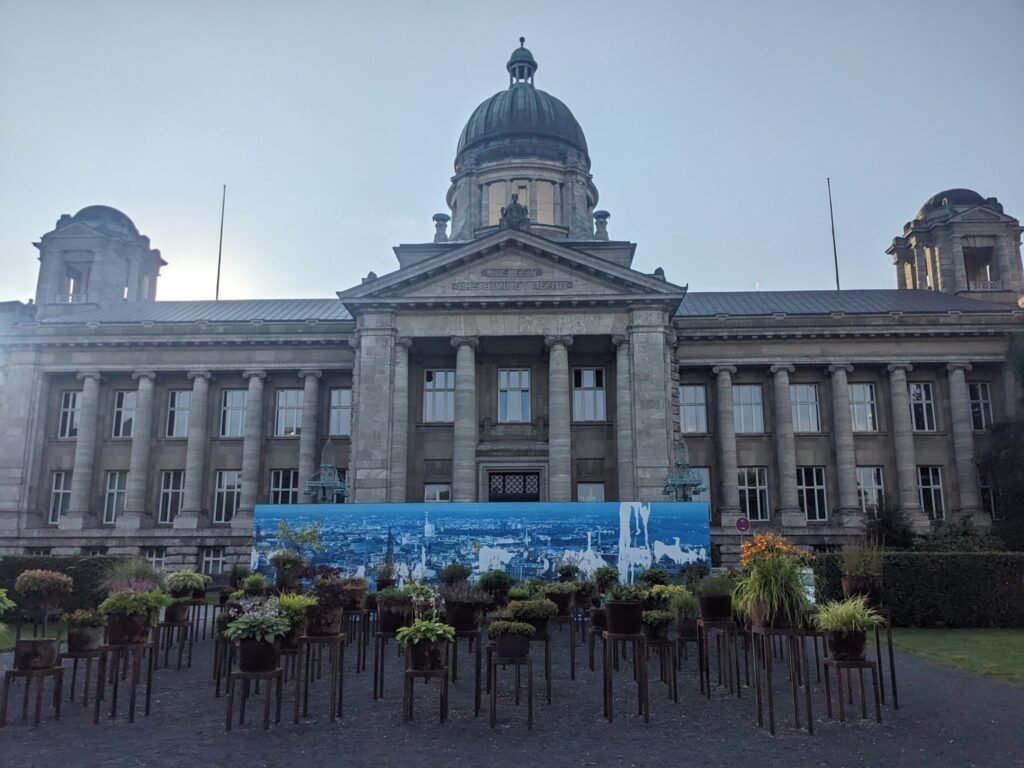
Why Hamburg? Hamburg is Germany’s vibrant second city, offering a dynamic mix of rivers, an impressive harbour, rich cultural heritage, and a buzzing entertainment scene. While it’s not on the sea, the city makes up for it with waterways, historic architecture, and modern gastronomy — perfect for a weekend break. We were invited to try out the newly opened Bunker Reverb Hotel, part of the Hard Rock franchise — a striking modern hotel built over a World War II bunker. Its central location in the St. Pauli district, overlooking the football stadium, makes it ideal for short city breaks. Bunker Reverb Hotel – History Meets Modern Comfort The hotel sits atop a bunker built in 1942–43 as a gun emplacement to defend against RAF bombing raids. Constructed in 300 gruelling days by forced labourers — captured Russian soldiers and imprisoned dissidents — the site is now a poignant monument to the city’s anti-Nazi history. Today, the hotel offers aerial city views, a great breakfast, a three-course dinner menu, and live Latino music for diners. The rooftop garden provides panoramic views of Hamburg’s harbour and the Elbphilharmonie concert hall, which seats nearly 2,000. Harbour City & Speicherstadt Hamburg is a city of water. The harbour, combined with the Speicherstadt warehouse district, showcases red-brick and iron architecture converted into apartments, offices, and hotels. For a relaxed overview, a harbour cruise is ideal. Options range from €26–36, with discounts available using the Hamburg Card. Tours depart from Landungsbrücken and offer English-language guides. Hot days may make a river Alster cruise a more comfortable option. Culture, Museums & Miniature Worlds Hamburg offers a wide cultural palette: Miniatur Wunderland – the world’s largest model railway exhibition, located in Speicherstadt. Panoptikum Wax Museum – history and entertainment rolled into one. Walking Tours – Tomas, a local guide, traced the city’s Hanseatic roots, the Danish influence, and St. Pauli’s music history. The city’s trading and Protestant links with England shaped its mercantile wealth, and many historic merchant buildings have been lovingly restored after wartime bombing. Coffee, Cuisine & Fine Dining For coffee lovers, Elbgold offers world-class tasting experiences, highlighting fair trade co-ops in Kenya and top beans from Colombia, Ethiopia, Nicaragua, and Guatemala. Dining highlights: Bunker Reverb Hotel Sala Restaurant – booking advised. restaurant-nil.de, St. Pauli Square – 5-course menu €60, mains €20–30, with seafood, meats, and local dishes. St. Pauli offers a lively mix of bars, cafés, and music venues, while quieter areas like Lange Reihe near Motel One Alster provide local and Italian food options and pleasant riverside walks. Music, Nightlife & Beatles History St. Pauli is Hamburg’s entertainment heartbeat. It’s youthful, creative, and historically significant — the Beatles launched their German live music career here in 1960. The Grosse Freiheit 36 music hall and the nearby Indra club are must-visits for live music enthusiasts. Think Camden or Temple Bar, but with a uniquely German twist. Practical Information Getting There: Direct flights from Dublin via Ryanair and Aer Lingus; Lufthansa via Frankfurt. Transport: U-Bahn Feldstraße for St. Pauli; Baumwall for Elbphilharmonie. Accommodation: Bunker Reverb (central, historic); Motel One Alster (modern, 500-room hotel). Tips: Buy a Hamburg Card for transport, museum, and harbour cruise discounts. Final Thoughts Hamburg blends history, culture, gastronomy, and entertainment in a compact, walkable city. From WWII bunker stories to Beatles music tours, harbour cruises to gourmet coffee tastings, it is perfect for a weekend escape with history, culture, and modern city life all in one.    

Scroll to Top