Montpellier: France’s Hidden Gem in the Sunny South
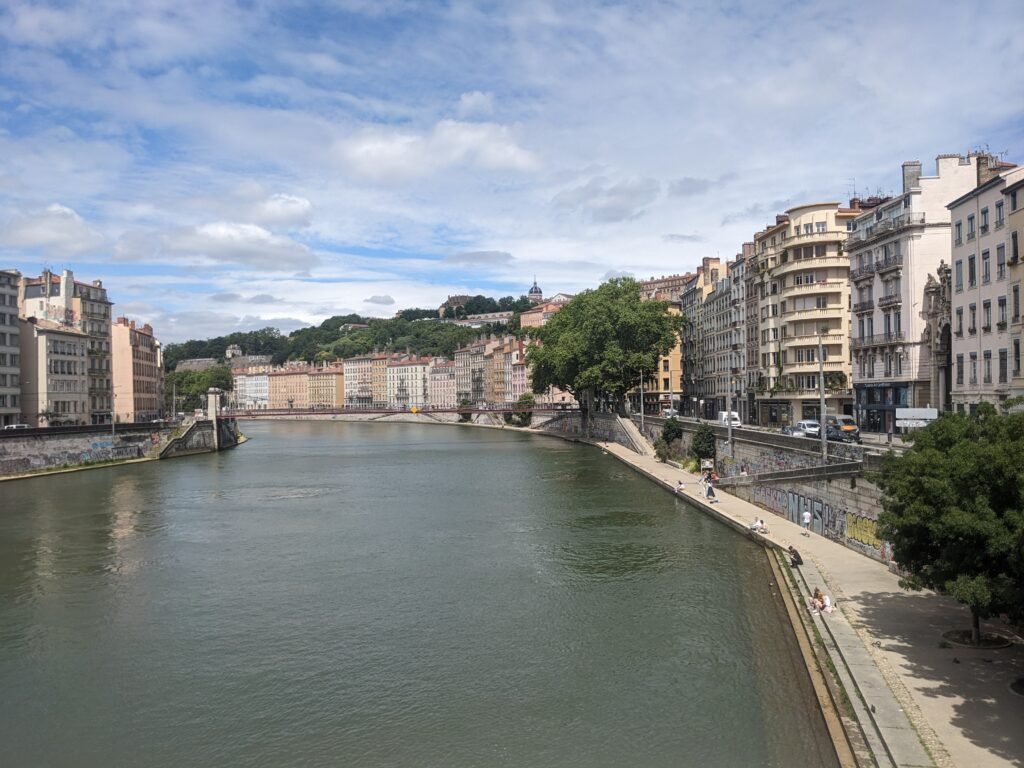
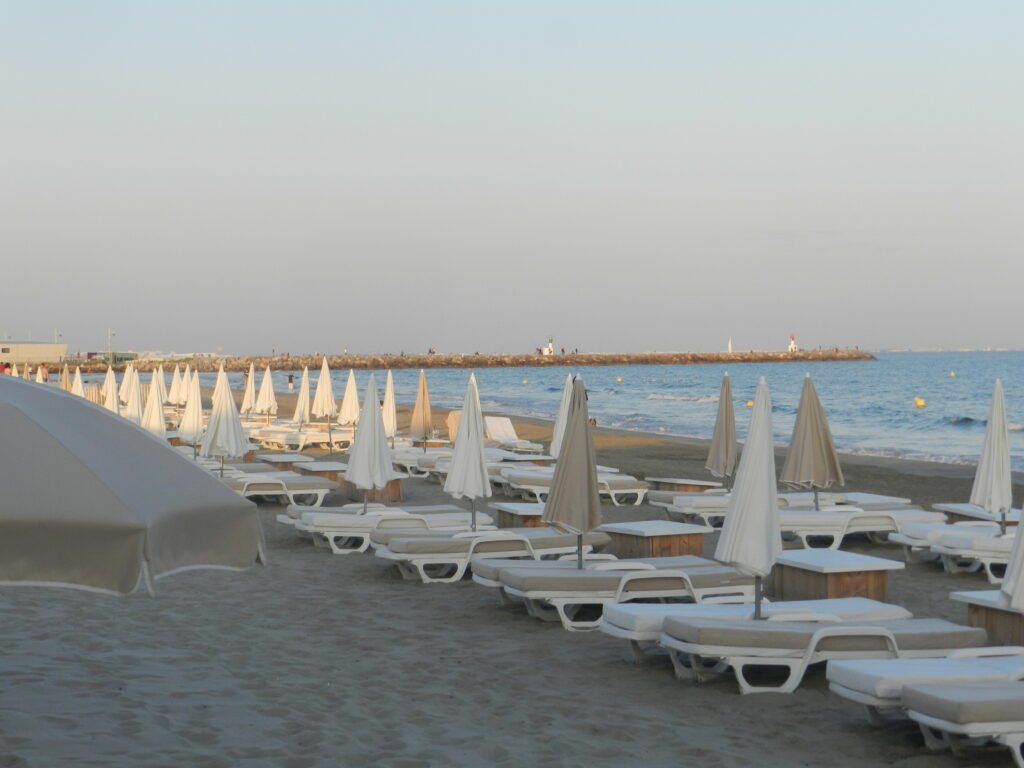
Following the launch of the new Air France service from Cork to Paris, we took the opportunity to connect onward to the south of France with a short 90-minute flight to Montpellier. Known as the educational capital of southern France, Montpellier has also become one of the country’s most attractive destinations for culture, history, gastronomy and relaxed Mediterranean living. From elegant period buildings and grand public squares to beautiful parks, nearby beaches and vineyard-covered countryside, Montpellier offers far more than many visitors expect. One of the highlights was watching the sunset from the Arc de Triomphe overlooking the city, a wonderful way to begin our visit. Exploring the Historic Centre A walking tour is one of the best ways to discover Montpellier, although the compact historic centre is also easy to explore independently. Our guide introduced us to: Place de la Comédie Saint-Pierre Cathedral Medieval streets Historic churches The city’s synagogue The impressive Arc de Triomphe Jardin des Plantes Tours depart from the Tourist Office on Place de la Comédie, close to Saint-Roch station. One fascinating stop was the historic synagogue, where archaeological excavations uncovered a medieval Mikveh—a ritual bath used by Jewish women before marriage and family life. The discovery provides an important insight into the city’s long Jewish heritage and the role Montpellier played as a centre of medicine and learning. A City Shaped by History Montpellier’s history stretches back centuries and reflects many different cultures. Our guide explained how the city experienced: Moorish invasions Spanish influence Jewish settlement The Second World War The arrival of the “Pieds-Noirs” following Algerian independence The returning French settlers from North Africa helped shape modern Montpellier, bringing with them cuisine, culture and entrepreneurship. Jewish scholars also played a significant role in developing one of Europe’s earliest medical schools, helping establish Montpellier’s reputation as a centre for medicine that continues today. Today companies such as Sanofi maintain major operations here, reinforcing the city’s importance in healthcare and pharmaceutical research. Student City Meets Mediterranean Lifestyle Montpellier has approximately 300,000 residents. Around a quarter of the population are students, while another large proportion are retirees attracted by the warm Mediterranean climate. This combination creates a lively yet relaxed atmosphere. Visitors will find: Outdoor cafés International restaurants Student nightlife Safe pedestrian streets Excellent public transport Despite its youthful energy, Montpellier feels welcoming and easy to explore. Shopping, Markets & Local Life Shopping is another highlight. We discovered: Independent bookshops Antique stores Artisan food shops Wine merchants Local produce markets Jean Jaurès market area The local wines from the Hérault region deserve special attention. Wine Country Beyond the City Years ago we picked grapes in the countryside surrounding Montpellier, so revisiting the nearby village of Saint-Mathieu brought back many memories. Today the surrounding villages thrive as commuter communities while remaining at the heart of one of France’s important wine-producing regions. The famous Pic Saint-Loup appellation produces excellent wines and offers beautiful walking trails through forests and hills. During our visit the grape harvest was underway. A vineyard manager explained that unusually wet spring weather had affected yields this season, with many growers facing reduced harvests. Modern harvesting is now largely mechanised compared with earlier decades. One pleasant surprise was paying just €1.50 for a glass of local wine in a village café. A Day Trip to the Coast Montpellier also offers quick access to the Mediterranean. Using the city’s excellent tram network, visitors can travel to Palavas-les-Flots, where sandy beaches and seaside cafés provide an ideal day out. Highlights include: Wide sandy beaches Beachfront restaurants Seafront hotels Coastal walks A day tram ticket costs just over €4, making this an affordable excursion. Compared with the French Riviera, this coastline feels quieter, more authentic and far less crowded. Art & Culture Montpellier has an impressive cultural offering. The Musée Fabre houses excellent collections, including works by Picasso and other renowned artists. The city also reflects many chapters of French history, from the French Revolution to the Second World War. Throughout the historic centre visitors will discover sculptures, architecture and elegant Haussmann-style buildings that give Montpellier its distinctive character. Food & Dining Food is one of Montpellier’s greatest strengths. We enjoyed: Traditional French cuisine Vietnamese restaurants Local wine bars Outdoor cafés Plat du Jour lunch menus from around €12 Recommended areas include: Place de la Comédie Saint Anne Square Jean Jaurès For evening entertainment, visitors will also find Irish pubs including Carolans and Fitzpatrick’s, along with numerous cafés offering live music. Things to Do Some of Montpellier’s highlights include: Place de la Comédie Arc de Triomphe Saint-Pierre Cathedral Jardin des Plantes Musée Fabre Medieval Old Town Local food markets Tram ride to Palavas Beach Pic Saint-Loup wine region Historic villages including Saint-Mathieu Allow at least two full days to appreciate both the city and its surrounding countryside. Getting There By Air Air France operates services from Cork and Dublin via Paris Charles de Gaulle. The onward flight to Montpellier takes approximately 90 minutes. From Montpellier Airport an airport shuttle connects with the tram network for under €5. By Train The high-speed TGV from Paris Gare de Lyon takes approximately three hours. Advance booking offers the best fares. By Car Driving from northern France is possible but lengthy. Many visitors combine Montpellier with touring western France or neighbouring regions. Local Connections During our visit we met Matt Dolan from Tramore, now living in Montpellier with his wife Elodie and their young family. Having previously worked in hospitality in Ireland before moving to France, Matt now enjoys the Mediterranean lifestyle, excellent food and warmer climate. His story highlights how welcoming Montpellier has become for both international visitors and expatriates alike. Final Thoughts Montpellier combines history, culture, excellent food, beaches, wine and beautiful architecture into one highly enjoyable destination. Less crowded than the French Riviera but equally rewarding, it offers visitors an authentic experience of southern France with excellent transport links and outstanding value. Whether you’re planning a weekend city break or a longer tour of southern France, Montpellier deserves